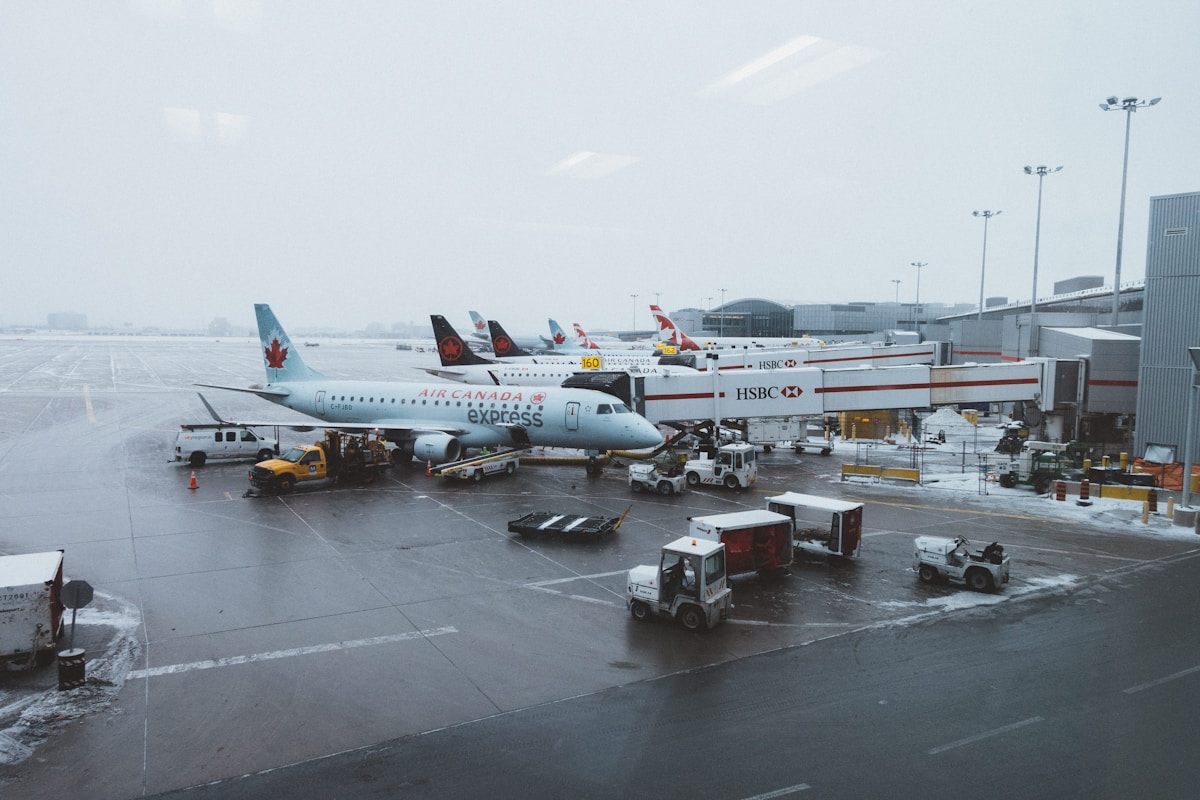
International visitor arrivals to the United States declined 14% in summer 2026 compared to the same period in 2025, according to new data reported by AFAR and drawing on US International Trade Administration figures. The decline marks nine consecutive months of year-on-year falls - a sustained slump with measurable impacts on airports, hotels, and tourism-dependent businesses.
What the Numbers Show
The 14% drop in summer 2026 follows a pattern that began in October 2025 and has continued without interruption. The figures cover all international visitors including those arriving for leisure, business, and to visit friends and relatives.
Summer - June through August - is the busiest season for inbound tourism to the United States, making a 14% fall during this period more significant than a comparable drop in a shoulder month. Major gateway cities including New York, Los Angeles, Miami, and Chicago have all reported lower hotel occupancy rates from international guests.
Why Visitor Numbers Are Falling
Multiple factors have contributed:
- Visa processing delays: Wait times for B1/B2 visitor visa appointments have stretched to months or more than a year at some US consulates, particularly in parts of Latin America, South Asia, and Africa - regions with growing outbound travel demand
- Perceived political climate: Survey data from tourism bodies in key source markets including Germany, France, and Canada indicate that some travellers have shifted discretionary trips to other long-haul or European destinations
- Currency strength: A relatively strong US dollar has made the United States more expensive for visitors paying in euros, pounds, or other currencies
- Entry experience: Reports of lengthy secondary inspection processes at US airports have circulated in European media and social platforms
Impact on Major Destinations
Airports serving popular tourist destinations have reported declines at international arrival gates. Theme park operators in Florida and California have cited lower international visitor numbers. Cultural institutions and city tourism boards in markets reliant on European visitors - including New York, New Orleans, and San Francisco - have flagged the trend.
What This Means for Independent Travellers
For those planning a trip to the US, a decline in international visitors can translate to:
- Shorter queues at major attractions, national parks, and museums
- More availability at popular hotels during peak summer periods
- Competitive pricing as some accommodation providers adjust rates to fill capacity
For first-time USA visitors, now is a good time to book - with fewer international visitors, tours and activities across the USA tend to have better availability and more competitive pricing. Allow ample time for ESTA or visa applications and arrive at international airports with time for customs processing.
The Broader Tourism Picture
Global long-haul travel overall continued to grow through 2025 and 2026, meaning the US decline represents a shift in market share rather than a collapse in travel demand. Spain, Japan, and Southeast Asian destinations have all reported record or near-record international visitor numbers in the same period.
US tourism authorities are tracking the figures and have signalled intent to address visa processing backlogs, though no specific timeline for improvements has been announced.