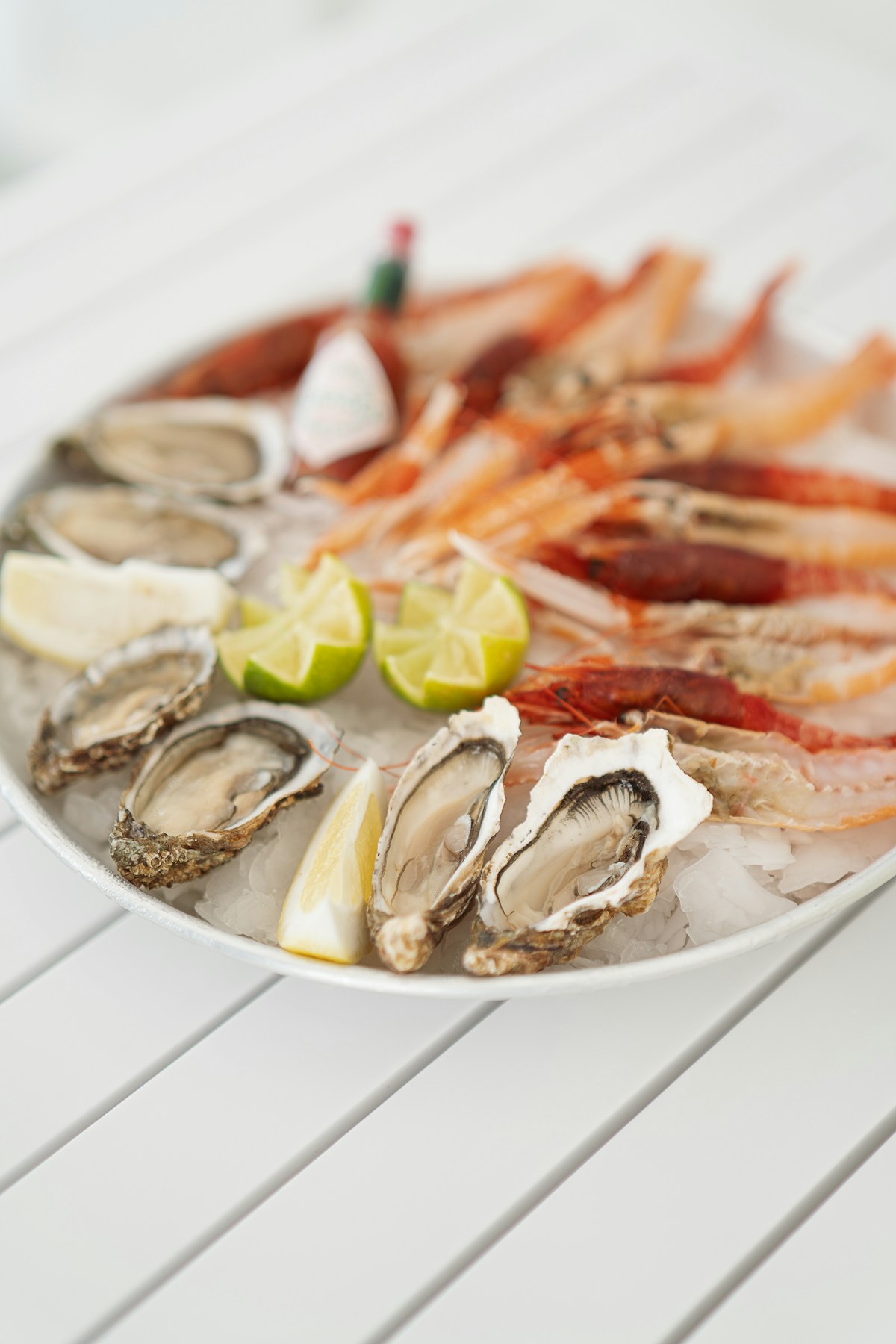
America’s coastlines, river systems, and cold northern waters produce some of the finest seafood in the world - and each region has developed a distinct tradition around its best catches. A lobster shack in Maine has almost nothing in common with a crawfish boil in Louisiana, a salmon smokehouse in Oregon, or an Alaskan king crab boat in Kodiak. Understanding the regional geography of American seafood makes it significantly easier to eat it well.
Maine Lobster
The American lobster (Homarus americanus) caught off the coast of Maine is one of the defining seafood experiences in the United States. Maine’s cold, clean Atlantic waters produce lobster with a sweet, briny flavour that commands a premium across the country and internationally.
Season: Year-round, but peak season runs from late June through October when lobsters have moulted their shells and are at their sweetest. “Shedder” or “soft-shell” lobsters caught in summer are considered more flavourful by many locals; their shells are easier to crack but they have less meat per pound.
How to eat it: A whole steamed lobster, cracked at the table with a bib, drawn butter, a corn on the cob, and a lobster roll to finish. The lobster roll itself - chunks of cold lobster meat dressed simply in mayo and lemon on a toasted, split-top hot dog bun - is the perfect portable format if you’re buying from a shack.
Where to eat it:
Red’s Eats (41 Water St, Wiscasset, Maine) is the most photographed lobster shack in the state and serves a lobster roll whose filling exceeds the bun by a significant margin. The queue on summer weekends can reach an hour - worth it. A full lobster roll runs approximately $28–$36 depending on lobster prices.
The Clam Shack (2 Western Ave, Kennebunkport, Maine) serves a classic butter roll (warm, butter-dressed, as opposed to cold mayo-dressed) at approximately $26–$32. Kennebunkport is easily combined with a broader southern Maine trip.
Portland, Maine has a full restaurant ecosystem around lobster: Eventide Oyster Co. (86 Middle St) serves a brown butter lobster roll on a Chinese milk bun that many consider the most refined version in the state. Expect $24–$30, and the oysters alongside are excellent.
Budget: Whole lobsters in season at a casual shack run approximately $20–$35 depending on size and year (market prices fluctuate significantly). Restaurant preparations add substantially - a full lobster dinner with sides at a sit-down restaurant runs $55–$90 per person.
Pacific Northwest Salmon
Wild Pacific salmon from the rivers and coastal waters of Oregon, Washington, and British Columbia is arguably the finest salmon in the world. The Chinook (King) salmon is the largest and fattiest; sockeye is more intensely flavoured with deep red flesh; coho sits between the two. All are superior to farmed Atlantic salmon in flavour and texture.
Season: Wild salmon season runs roughly May through September, with Chinook starting earliest. By October, the season is effectively over for most varieties at restaurant quality.
How to eat it: Cedar-plank grilled, simply pan-seared with lemon and herbs, or slow-smoked - salmon from the Pacific Northwest needs little intervention. Native American tribes of the region have smoked salmon for centuries; the traditional preparation (alder-smoked over open fires) is worth seeking out alongside restaurant versions.
Where to eat it:
Jake’s Famous Crawfish (401 SW 12th Ave, Portland, Oregon) has been serving Pacific seafood since 1892. The cedar-plank Chinook salmon and the daily fresh-sheet of whatever came off the boats that morning are the draws. Budget $45–$65 per person. Reservations recommended.
Ray’s Boathouse (6049 Seaview Ave NW, Seattle, Washington) sits on the water in Ballard with views of Shilshole Bay. The wild salmon preparations change with the season - Chinook in early summer, sockeye in July, coho in August. Dinner runs $70–$100 per person with wine.
Renée Erickson’s restaurants in Seattle - particularly The Walrus and the Carpenter (4743 Ballard Ave NW) for Pacific oysters and crudo, and Barnacle for natural wine - represent the most ingredient-focused end of the Seattle seafood scene. Reserve well ahead; they book out days in advance.
Budget: At seafood markets and fishmongers (Pike Place Market in Seattle is the easiest access point), fresh wild Chinook salmon runs approximately $25–$45 per pound. Restaurant preparations run $34–$55 for an entrée portion.
Gulf Coast: Shrimp, Crawfish, and Oysters
The Gulf of Mexico produces brown, white, and pink shrimp in enormous quantities, along with Gulf oysters, blue crab, red snapper, and - in Louisiana particularly - crawfish. Gulf Coast seafood is inseparable from the Cajun and Creole cooking traditions of Louisiana and the barrier-island food culture of Mississippi, Alabama, and the Florida Panhandle.
Crawfish
Crawfish (also called crayfish or “mudbugs”) are freshwater crustaceans farmed in the rice paddies and bayous of southern Louisiana. The season runs roughly January through July, with peak crawfish from March through May.
The traditional preparation is a crawfish boil: live crawfish cooked in a large pot of heavily spiced water (cayenne, garlic, onion, corn, potatoes, sausage) then poured out on newspaper at communal tables. You peel them yourself. The eating method - pinch the tail, suck the head - is different from any other seafood and requires instruction from a local on your first attempt.
Broussard’s Cajun Cuisine (Multiple locations across New Orleans) runs a reliable crawfish boil throughout the season. Priced approximately $8–$12 per pound (whole unpeeled), budget 2–3 pounds per person for a full meal. Local supermarkets (Rouses Markets across Louisiana) run crawfish boils in their car parks during season - an authentic and extremely informal experience.
Dooky Chase’s Restaurant (2301 Orleans Ave, New Orleans) handles Gulf seafood with more elegance: shrimp and grits, fried catfish, crab gumbo. A full lunch or dinner runs $28–$50.
Gulf Shrimp
Gulf shrimp - larger and more flavourful than most farmed shrimp - is eaten boiled, fried, grilled, or in the iconic New Orleans preparation of shrimp po’boy: fried shrimp on a long French roll with lettuce, tomato, mayo, and pickles.
Domilise’s Po-Boy & Bar (5240 Annunciation St, New Orleans) serves what many consider the definitive shrimp po’boy. Sandwiches run $14–$18. The restaurant is a neighbourhood institution with no concessions to tourism - this is where locals eat.
Gulf oysters are larger and milder than Pacific or Atlantic oysters, with a creamy, slightly briny flavour. The traditional Gulf preparation is chargrilled: oysters in the half-shell loaded with garlic butter, parmesan, and herbs and blasted on a gas grill. Drago’s Seafood Restaurant (2 Poydras St, New Orleans; also a location in Metairie) invented this preparation and serves them for approximately $22–$28 for a half dozen.
Chesapeake Bay Blue Crab
The Chesapeake Bay - the vast estuary shared by Maryland and Virginia - is synonymous with the blue crab (Callinectes sapidus). The Chesapeake blue crab season runs May through November, with peak quality from August through October. The traditional crab feast - steamed blue crabs seasoned with Old Bay spice, dumped on newspaper at a communal table, eaten with wooden mallets and crab picks - is one of the great informal eating experiences in the eastern United States.
Season: Local blue crabs are in season May–November. Out of season, crabs are either imported or from cold storage; quality drops considerably. Visit between July and October for the best experience.
Soft-shell crabs: Blue crabs that have recently moulted their shells are sold as “soft shells” from late April through September. The entire crab is eaten - shell, legs, and body - after a brief pan-fry. They’re available at almost every Maryland seafood restaurant in season and are genuinely extraordinary.
Where to eat it:
LP Steamers (1100 E Fort Ave, Baltimore, Maryland) is a no-frills crab house in the tradition the Chesapeake is known for: steamed blue crabs in Old Bay, communal picnic table, brown paper on the table, pitchers of beer. A dozen large crabs run approximately $50–$85 depending on season and market price. Cash only. Expect to wait 30–60 minutes on summer weekends.
Thames Street Oyster House (1728 Thames St, Baltimore) takes a more polished approach - sit-down dining with an extensive raw bar, proper wine list, and excellent soft-shell crab preparations in season. Dinner runs $55–$80 per person.
The Quarterdeck Restaurant (1200 Fort Meyer Dr, Arlington, Virginia) overlooks the Potomac and serves Chesapeake blue crabs alongside steamed shrimp and Maryland crab cakes. The crab cake - back-fin crab meat with minimal filler, broiled or pan-fried - is the thing most Maryland restaurants take greatest pride in. A proper Maryland crab cake costs approximately $24–$32 per cake at sit-down restaurants.
Old Bay seasoning: The ubiquitous Chesapeake seasoning blend (paprika, celery salt, black pepper, cayenne, mustard) appears on everything - crabs, shrimp, corn, french fries, even cocktail rims. Picking up a tin to bring home is a reliable souvenir.
Alaskan King Crab
Alaskan king crab - specifically the red king crab (Paralithodes camtschaticus) caught in the Bering Sea and the waters off the Aleutian Islands - is one of the largest and most prized crustaceans in the world. The legs, which can span three feet, contain dense, sweet white meat with a clean, rich flavour.
Season: The commercial red king crab season in Alaska is typically a few weeks in October (the exact dates are set annually by the Alaska Department of Fish and Game based on stock assessments). Snow crab season runs roughly January through August. Most king crab sold year-round in restaurants was caught during these brief seasons and flash-frozen immediately on the vessel.
Fresh vs frozen: Frozen-at-sea Alaskan king crab is significantly better than king crab that has been thawed and refrozen. At restaurants, “fresh” king crab usually means recently thawed from frozen-at-sea; if a restaurant claims fresh never-frozen king crab outside of October, ask questions.
Where to eat it:
In Alaska: The most authentic experience is in Juneau, Ketchikan, or Kodiak during season. Dock’s Waterfront in Juneau is a casual spot with locally caught crab during the right season. A half king crab (several legs) runs approximately $65–$95.
Seattle: The Pike Place Market fishmongers (Sosio’s, Seattle’s Best Fish) sell Alaskan king crab legs for approximately $30–$60 per pound, often live during season. You can buy there and have them crack it for you. Several restaurants around the Market serve it: Cutter’s Crabhouse (2001 Western Ave) does a reliable king crab preparation with drawn butter for approximately $55–$85 per plate.
San Francisco: Alioto’s (8 Fisherman’s Wharf, SF) has been serving Dungeness and king crab at Fisherman’s Wharf since 1925 - not the most adventurous location, but historically significant and reliably good for a whole crab dinner at approximately $65–$95.
Budget note: Alaskan king crab is expensive. Market prices for king crab legs run approximately $40–$80 per pound (frozen) and considerably more at restaurants. A full sit-down king crab dinner in a restaurant runs $80–$150 per person.
Planning Your Seafood Trip
The best seafood in America is almost always caught nearby and eaten quickly. Drive the Maine coast in July, eat crawfish in New Orleans in April, time your Chesapeake trip for August crabs, buy Pacific salmon in August at Pike Place. The farther seafood travels from water to plate, the more it costs and the less it tastes like itself.
Regional seafood festivals are often the most efficient introduction: the Maine Lobster Festival in Rockland (late July–early August), the New Orleans Jazz & Heritage Festival’s seafood vendors (late April–early May), and the Maryland Seafood Festival in Annapolis (September) all put extraordinary local product in front of large, expert crowds.
Whatever region you’re visiting, ask locals where they actually eat - not what the hotel concierge recommends. The best crab shack in Maryland, the best lobster roll in Maine, and the best shrimp po’boy in New Orleans are rarely the most prominently marketed options.
Where to Stay on Your Seafood Trip
Each seafood region has a natural base city. Browse hotels in Seattle for Pacific Northwest salmon and king crab at Pike Place, New Orleans for Gulf Coast shrimp and crawfish boils, Baltimore for Chesapeake crab feasts on the Bay, and Juneau for Alaskan king crab in season.
Book a Guided Seafood Tour
The best entry to US coastal seafood culture is usually a guided market or waterfront tour. In Maine, lobster boat tours explain the difference between hard and soft shell and which size to buy; in New Orleans, Creole seafood tours cover the history of crawfish, oysters, and Gulf Coast shrimp culture in ways that sit-down menus rarely explain; in San Francisco, a guide at the Ferry Building on a Tuesday or Saturday morning can walk you through the difference between local Dungeness and imported king crab. Timing matters - most of these tours sync with seasonal fishing cycles that online research rarely captures.
Browse culinary tours and food experiences across the USA to find seafood-focused tours in your destination region. Compare flights to the USA and arrange travel insurance before booking.