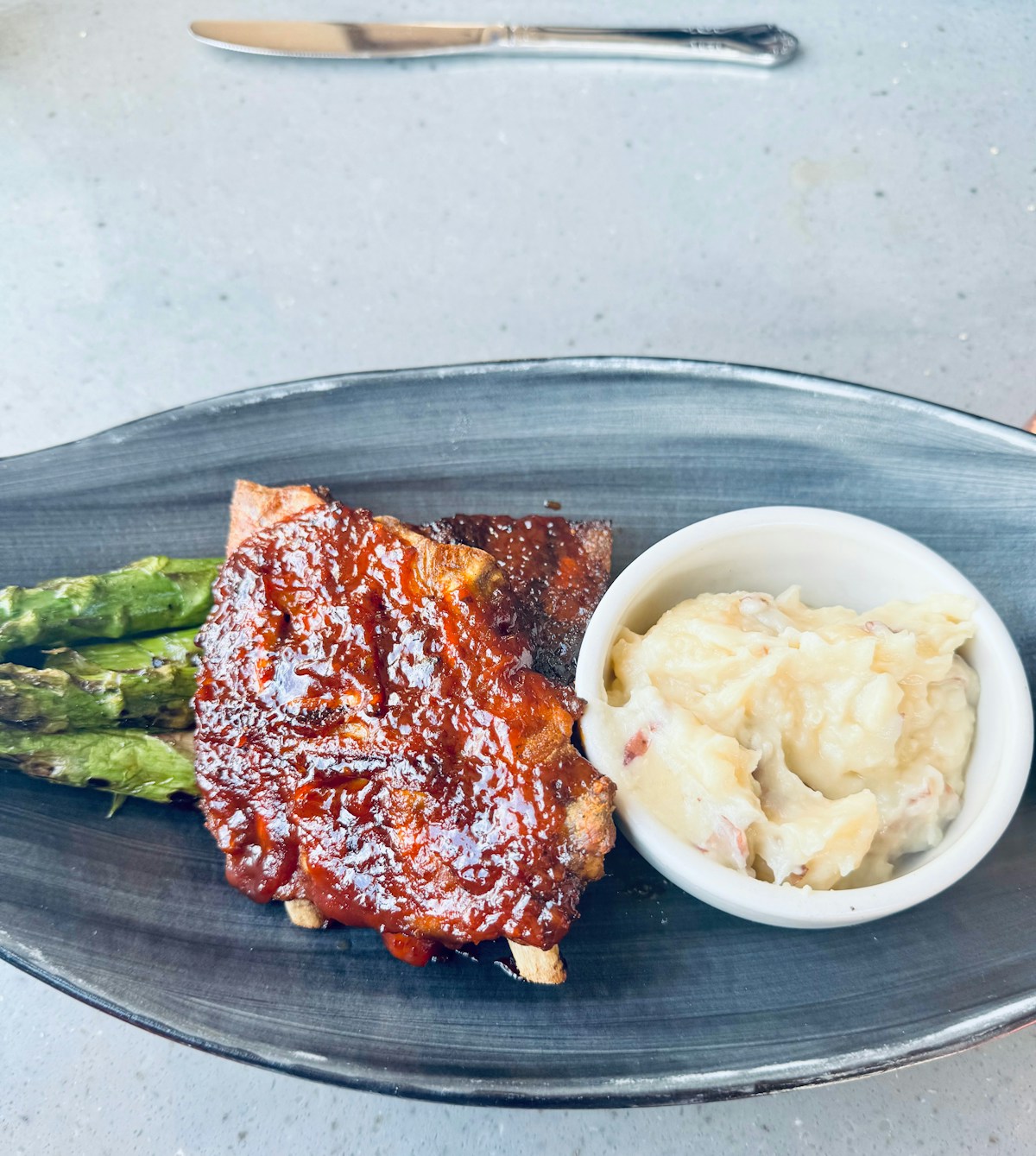
Barbecue is America’s most contested culinary art form. Four major regional traditions - Texas, Kansas City, the Carolinas, and Memphis - have each developed over centuries into distinct styles with loyal followings, fierce rivalries, and genuine differences in technique, wood choice, sauce philosophy, and cuts of meat. If you’re visiting the United States and want to eat barbecue seriously, understanding the regional divide is where you start.
Texas BBQ: The Cult of the Brisket
Texas barbecue is beef-first. The defining cut is brisket, and the defining method is low-and-slow smoking over post oak wood for anywhere from 12 to 18 hours. Salt and pepper are the only acceptable seasonings. Sauce is technically optional and, in the most devout circles, an afterthought - or an insult.
The holy grail experience is Franklin BBQ in Austin (900 E 11th St). Aaron Franklin’s restaurant has been consistently ranked the best BBQ in the country since it opened in 2009. A meal here requires queuing from around 7–8am for an 11am opening; the line wraps the block on weekends. The brisket - sliced to order, with a deep mahogany bark and a butter-soft interior - runs approximately $35–$40 per pound. It sells out daily, usually by 1pm. Come prepared to wait, bring cash and patience, and order both the fatty and lean cuts to compare.
In Dallas, Pecan Lodge (2702 Main St, Deep Ellum) delivers the same devotion without quite the same pilgrimage. Their brisket is among the best in the state. The beef rib - a single bone that can weigh over a pound - runs from approximately $12 to $16 depending on size and is genuinely extraordinary if you’ve never had one. Expect to queue 30–45 minutes on weekend afternoons. Budget approximately $25–$40 per person for a full spread.
What to order in Texas: Brisket (both fatty and lean), beef ribs, house-made sausage. Sides tend to be secondary - white bread, pickles, and onions are traditional. Some places serve pinto beans and coleslaw; keep expectations modest.
Wood: Post oak, almost exclusively.
Sauce: Thin, tomato-based, applied sparingly or not at all. Many joints only bring it out if you ask.
Kansas City: The Ribs Capital
Kansas City’s barbecue tradition is built on variety and smoke. While Texas is monogamous with beef, KC pits smoke pork ribs, burnt ends, chicken, turkey, sausage, and beef with equal devotion. The sauce is the other defining factor: thick, sweet, and tomato-molasses-based, applied during and after cooking.
Joe’s Kansas City (3002 W 47th Ave, Kansas City, Kansas - inside a gas station) is widely cited as the best BBQ in the metro and one of the most famous joints in the country. Don’t let the setting put you off. The Z-Man sandwich - smoked brisket, provolone, and an onion ring on a kaiser roll - costs approximately $12–$14 and is the signature order. Ribs by the slab run $30–$38. The queue can stretch well outside during lunch, but it moves faster than Franklin’s.
Q39 (1000 W 39th St, Kansas City, Missouri) takes a slightly more polished approach: a proper restaurant with table service rather than a cafeteria line, craft beer, and a wood-fired open kitchen. Pitmaster Rob Magee smokes over mixed hardwoods. The burnt ends - charred cubes of point-cut brisket caramelised in their own rendered fat - are the signature dish and run approximately $18–$24 for a half-pound. A full rack of ribs costs $34–$42. Budget $30–$50 per person with drinks.
What to order in Kansas City: Burnt ends (a KC invention), spare ribs, Z-Man-style sandwiches, pulled pork. Sauce is always provided and used liberally.
Wood: Mixed - hickory, apple, cherry, and oak are all common.
Sauce: Sweet, thick, tomato and molasses base. KC was where Arthur Bryant’s bottled sauce helped popularise the style nationally.
Carolina BBQ: The Whole Hog Tradition
Carolina barbecue is pork, and the split between Eastern and Lexington (Western) styles is as old as American cuisine gets. Both traditions smoke whole hog or pork shoulder over hardwood coals, but the sauce philosophy divides the state.
Eastern Carolina uses a thin, sharp vinegar-and-pepper sauce - no tomato, no sweetener, no exceptions. It cuts through the rich pork fat and has been made essentially the same way for 300 years.
Western Carolina / Lexington style adds ketchup to the vinegar base for a slightly sweeter, deeper “red slaw” sauce. It’s still recognisably different from Kansas City or Memphis, but it bridges the traditions somewhat.
Skylight Inn in Ayden, North Carolina (4617 S Lee St) is the reference point for Eastern-style whole hog. Pete Jones opened it in 1947 and the family still runs it. They cook whole hogs over hardwood coals, chop the meat to order, and serve it on a tray with cornbread and coleslaw. Nothing on the menu costs more than $15. Cash only. No frills. No need for any.
Lexington Barbecue (100 Smokehouse Ln, Lexington, NC) - locally called “The Monk” - is the benchmark for the Lexington style. Pork shoulder is the focus, sauce has a hint of sweetness, and the red slaw (coleslaw dressed in barbecue vinegar sauce) is essential ordering. Plates run $10–$16. The queue at lunch is serious but the dining room is large enough to turn over quickly.
What to order in the Carolinas: Pulled pork (whole hog if available), coleslaw (ask which style), hush puppies. Brisket and ribs exist but are secondary.
Wood: Hickory is traditional, though many whole-hog pits use oak as a base.
Sauce: Eastern = vinegar and pepper only. Lexington = vinegar plus tomato/ketchup. Never sweet.
Memphis BBQ: Dry Rubs and Wet Ribs
Memphis is the BBQ capital of pork ribs, and its central contribution to American barbecue culture is the dry rub: a blend of spices applied before smoking and left to form a crust without sauce. The rivalry between “dry” (rub-only) and “wet” (sauce-glazed during cooking) ribs is genuine and ongoing.
Dry rubs in Memphis typically combine paprika, garlic, onion, cayenne, black pepper, and celery salt, though every pitmaster guards their exact ratio. The ribs are smoked over hickory for 4–6 hours until the meat pulls cleanly but still has some chew.
Central BBQ (multiple locations across Memphis; the Midtown spot at 2249 Central Ave is the flagship) is one of the best introductions to Memphis style for first-time visitors. Both dry and wet ribs are on the menu, making it easy to compare styles in one sitting. A half rack runs approximately $18–$22, a full rack $30–$38. Loaded nachos and smoked chicken wings are crowd-pleasers if you’re eating in a group. The atmosphere is casual and welcoming.
Rendezvous (52 S 2nd St, downtown Memphis) is the legend. Charlie Vergo opened it in 1948 in a basement alley accessible through a narrow passageway - a setting that hasn’t changed much. Their ribs are cooked over a charcoal grill rather than a traditional smoker, a technically heretical approach that Memphis regulars have embraced for 70+ years. Dry rib racks run approximately $32–$40. The Greek-inflected side dishes (a nod to the founder’s heritage) are a quirk worth trying. Reservations are recommended for dinner.
What to order in Memphis: Dry-rubbed ribs (half rack to start), pulled pork sandwich with slaw, smoked sausage. Order sauce on the side and dip rather than pour.
Wood: Hickory is dominant across the city.
Sauce: Thin, slightly sweet tomato base; applied wet during cooking OR served on the side for dipping with dry ribs.
Comparing the Four Styles
| Region | Meat Focus | Wood | Sauce Style | Defining Dish |
|---|---|---|---|---|
| Texas | Beef brisket | Post oak | Thin tomato, used sparingly | Smoked brisket, beef ribs |
| Kansas City | Everything | Hickory, apple, cherry | Sweet, thick molasses-tomato | Burnt ends, spare ribs |
| Carolina | Whole hog pork | Hickory | Vinegar-pepper (Eastern) / Vinegar-tomato (Lexington) | Pulled pork |
| Memphis | Pork ribs | Hickory | Thin tomato or none (dry) | Dry-rubbed spare ribs |
Practical Notes for Visitors
Arrive early. The best BBQ joints in America often sell out. Franklin BBQ opens at 11am and is typically sold out by 1pm. Arriving in the queue by 8am on weekends is not an exaggeration.
Bring cash. Many traditional BBQ joints - especially in rural Carolina and older Memphis spots - are cash-only or strongly prefer it.
Order by the pound, not just the plate. At counter-service joints, you typically order smoked meats by the pound. A quarter-pound is a decent taster portion; half-pound is a full meal. Sides are usually priced separately.
Don’t ask for modifications. Ordering brisket with sauce at a Texas joint that doesn’t put it on the table, or asking for a marinade at a dry-rub Memphis spot, will earn you a look. Understand the tradition before you customise it.
BBQ takes time to cook. Most serious joints don’t take reservations and don’t have a consistent daily menu - they serve what came off the pit that morning. If a cut sells out, it’s gone.
Whether you’re in the Texas Hill Country, Deep Ellum, the Missouri River delta, or the Carolina Piedmont, American barbecue is as regional as wine. The fastest way to understand it is to show up hungry, queue patiently, and order the house specialty without overthinking it.
Where to Stay for a BBQ Road Trip
Base yourself close to the pit. Browse hotels in the main BBQ cities: Austin for Texas brisket, Dallas for Pecan Lodge and the wider beef belt, Kansas City for burnt ends and the Z-Man, and Memphis for dry-rubbed ribs at Rendezvous.
Experience Regional BBQ on a Guided Tour
American barbecue has four major regional traditions - Texas, Kansas City, the Carolinas, and Memphis - and a local guide is genuinely the most efficient way to understand the differences. Knowing that Texas brisket uses only salt, pepper, and post oak while Kansas City applies a thick tomato-based sauce is useful in theory; tasting them back-to-back with someone who can explain the pit, the wood, and the cut makes it stick. In cities like Austin, where the best joints sell out by noon, a guide who knows the queue timing saves a wasted morning.
Browse food tours and culinary experiences across the USA to find regional BBQ tours and pitmaster experiences. Compare flights to the USA and sort travel insurance before your trip.