Sacramento: Gold Rush History, Farm-to-Fork & Napa
Sacramento travel guide: Old Sacramento, Railroad Museum, Gold Rush history, farm-to-fork dining, and day trips to Napa Valley and Lake Tahoe.
Guides for Sacramento
Sacramento is California’s capital city and one of its oldest, founded in 1849 at the confluence of the Sacramento and American Rivers during the Gold Rush. With approximately 530,000 residents in the city proper and 2.5 million in the metropolitan area, it sits at the northern end of the San Joaquin Valley at near sea level, roughly equidistant between San Francisco (90 miles southwest) and Lake Tahoe (110 miles east).
The city’s identity is shaped by two things: its role as the state capital and government center, and its position in the middle of California’s most productive agricultural region - the Sacramento Valley grows rice, almonds, peaches, tomatoes, and dozens of other crops and supplies much of California’s restaurant produce. The farm-to-fork movement that has reshaped American dining found one of its most sincere expressions in Sacramento, where the growing region is visible from the table.
Getting There and Around
Sacramento International Airport (SMF) is approximately 12 miles northwest of downtown with direct service from most major US cities. Rideshare from the airport to downtown approximately $20–30; taxi approximately $35–50 as of 2026. The Sacramento Regional Transit light rail connects the airport area to downtown via the Gold Line (approximately 45 minutes; fare approximately $2.50).
The Sacramento light rail system covers the main visitor corridors - downtown, Old Sacramento (via the R Street stop), and Midtown. Within the city, it is possible to avoid a car using the light rail and rideshares. However, day trips to Napa Valley, Lake Tahoe, the Gold Country foothills, or the Sacramento Delta require a car. Amtrak’s Capitol Corridor connects Sacramento Union Station to Oakland Coliseum and the Bay Area roughly hourly during the day.
Things to Do
See our full guide to things to do in Sacramento for a complete activity list. Below are the top highlights.
Top Attractions
California State Railroad Museum - 125 I St, Old Sacramento. One of the largest railroad museums in the United States, with 21 restored locomotives and cars from the 1860s to the 20th century, including a full-scale Central Pacific construction camp recreation and the sleeping car Empire Builder. Admission approximately $15 adults, $7 children (ages 6–17) as of 2026. Open daily 10am–5pm. The museum anchors the Old Sacramento Historic District.
Old Sacramento Historic District - the four-block waterfront area along the Sacramento River between I and L Streets and 2nd Street. The Gold Rush-era buildings (1850s) house restaurants, shops, and museums in a concentrated historic streetscape. The Sacramento History Museum (101 I St, approximately $8 adults) and the Wells Fargo History Museum (1000 2nd St, free) add context. The Sacramento River boardwalk runs alongside.
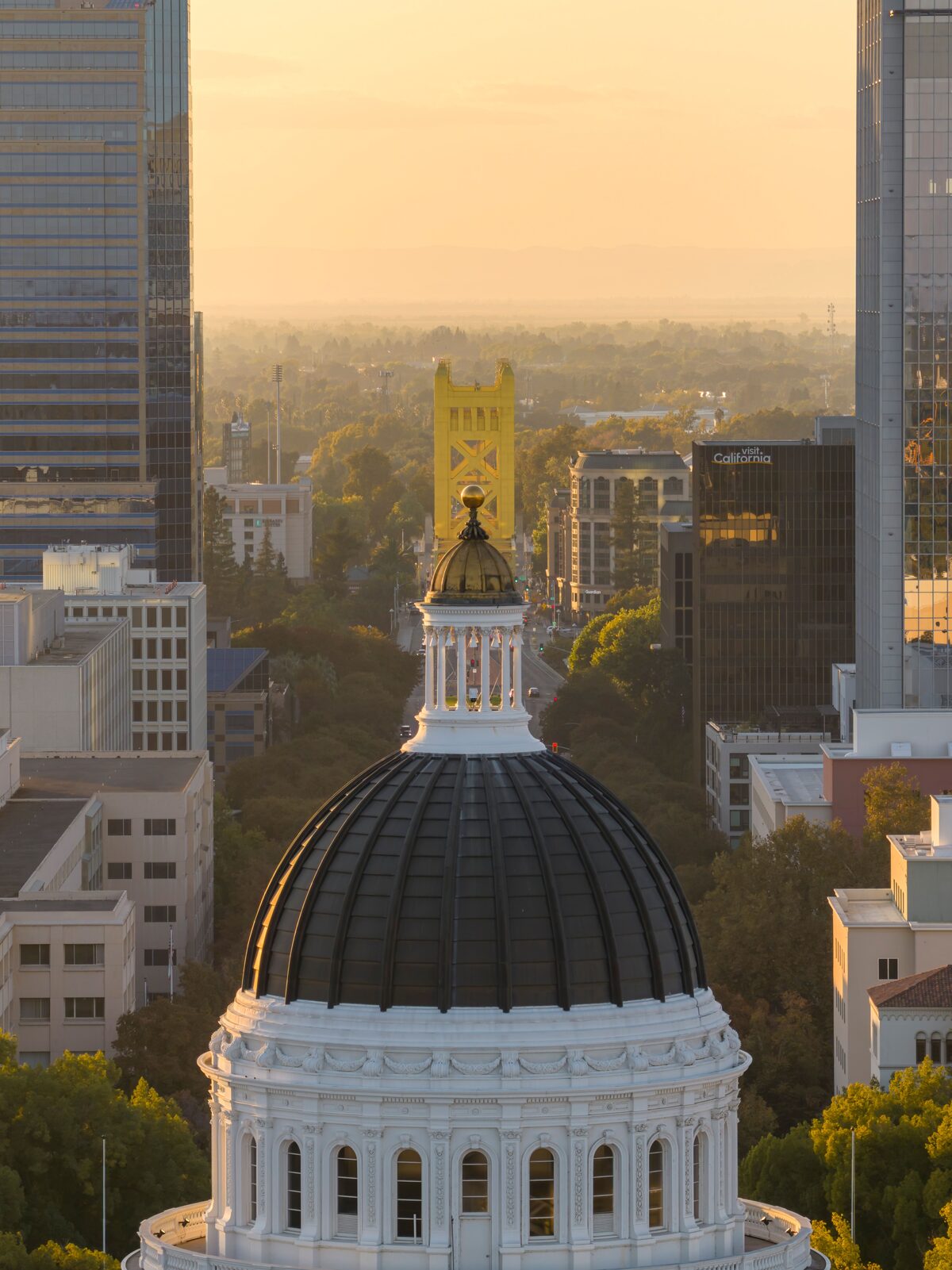
California State Capitol Museum - 10th and L Streets. The 1869 neoclassical Capitol building, restored to its Gold Rush-era appearance in the 1970s and still the working seat of state government. Free guided tours available daily on the hour 9am–4pm (book via the Capitol Visitor Center). The Capitol Park surrounding the building contains memorials and a significant tree collection including a Vietnam Veterans Memorial grove.
Crocker Art Museum - 216 O St, downtown. The oldest public art museum in the American West (1885), with a strong collection of California art - particularly 19th-century California landscapes - plus European Old Masters and contemporary works. Admission approximately $18 adults, $5 for ages 7–17. Open Tuesday–Sunday. The Victorian Crocker mansion and the adjacent modern expansion are architecturally interesting in themselves.
Midtown Sacramento - the grid streets (numbered avenues, lettered streets) between downtown and East Sacramento. The J Street and K Street corridors through Midtown contain the bulk of the city’s independent restaurants, bars, and coffee shops. The Sacramento Natural Foods Co-op (1900 Aldo Ave) and the Broadway corridor through Land Park have a neighborhood feel distinct from the tourist areas near Old Sacramento.
Tower Bridge - the 1935 vertical lift bridge over the Sacramento River connecting downtown to West Sacramento. The gold-painted steel bridge is the city’s most recognizable landmark; it opens several times daily to allow river traffic. The R Street corridor running from the bridge toward Midtown has a concentrated stretch of restaurants and arts venues.
Day Trips
Napa Valley - approximately 60–80 miles southwest via I-80 and CA-12 or CA-128, about 1–1.5 hours. The Napa Valley wine region (Napa, Yountville, St. Helena, Calistoga) is the most prestigious wine district in the United States. Tasting fees approximately $30–80 per winery as of 2026; reservations required at most estates. Yountville has the highest concentration of Michelin-starred restaurants outside San Francisco.
Lake Tahoe - approximately 2 hours east via I-80 (North Shore via Truckee) or US-50 (South Shore). The largest alpine lake in North America at 6,225 feet elevation, offering summer swimming, kayaking, and hiking, and winter skiing at Heavenly, Northstar, and Squaw Valley. South Lake Tahoe has the highest concentration of budget accommodation; the North Shore is quieter.
Gold Country (Highway 49) - the historic mining towns along CA-49 in the Sierra Nevada foothills start approximately 45 minutes east of Sacramento. Coloma (Marshall Gold Discovery State Historic Park, where gold was discovered in 1848), Placerville, Auburn, and Grass Valley are the main historic stops. Whitewater rafting on the American River (South Fork) is available from Coloma, with half-day trips approximately $80–120 per person as of 2026.
Where to Eat
For a full rundown of Sacramento’s restaurants and food scene, see our Sacramento food guide.
The Kitchen - 2225 Hurley Way. The most celebrated restaurant in Sacramento, known for its interactive dinner experience where the kitchen is the dining room. Prix-fixe format at approximately $165–195 per person. Books out weeks in advance.
Mulvaney’s Building & Loan - 1215 19th St, Midtown. The farm-to-fork restaurant most associated with Sacramento’s food identity, with a menu built around local seasonal produce. Mains approximately $28–46. Dinner Tuesday–Saturday.
Nixtaco - 1105 R St, R Street Corridor. Modern Mexican with nixtamalized corn tortillas made in-house and Oaxacan-influenced preparations. One of the most creative kitchens in the city. Mains approximately $14–24.
Broderick Midtown - 1600 L St. Burgers and shakes at a level above the typical; the Sacramento local beef sourcing is genuine. Mains approximately $12–18.
Kru - 3135 Folsom Blvd, East Sacramento. The best sushi restaurant in the city, known for omakase tasting ($95–150 per person) and a strong sake selection. Reservations essential.
Fox and Goose Public House - 1001 R St. English-style pub in the R Street corridor, reliable for breakfast and lunch with a full British fry-up, fish and chips, and pub dishes. Mains approximately $12–20.
Where to Stay
For hotel picks across all budgets, see our guide to the best hotels in Sacramento.
Hyatt Regency Sacramento - 1209 L St, adjacent to the Capitol. The city’s largest hotel (503 rooms), directly opposite the Capitol building. Rooms from approximately $200–380 per night as of 2026.
Search hotels in Sacramento on Booking.com
Kimpton Sawyer Hotel - 500 J St, downtown. A 250-room boutique hotel in the DOCO district with a rooftop pool, the most design-conscious option in the city. Rooms from approximately $230–420 per night.
Citizen Hotel - 926 J St, downtown. A 198-room hotel in a 1926 building with a dark, clubby aesthetic; the Grange restaurant downstairs is a local institution. Rooms from approximately $150–260 per night.
Inn & Spa at Parkside - 2116 6th St, Midtown. A 8-room boutique inn in a craftsman house in a quiet residential area; breakfast included. From approximately $160–220 per night.
Budget: Several chain properties operate on the light rail line and along the Capitol Mall corridor at $90–130 per night. The DOCO entertainment district (between the arena and the river) has several mid-range options convenient for Old Sacramento.
Practical Notes
Sacramento traffic is most congested on I-80 and US-50 on Friday afternoons (Bay Area workers heading to Tahoe) and Sunday evenings returning. Tule fog in winter months (November–February) can close freeways - check conditions before driving toward the Sacramento Delta or Valley towns. The Sacramento Kings play at Golden 1 Center (downtown; tickets approximately $40–200 as of 2026 depending on matchup). The California State Fair (Cal Expo fairgrounds, mid-July to mid-August) is one of the largest state fairs in the USA.
Planning your Sacramento trip? Browse guided tours and activities in Sacramento to book tickets and experiences in advance. For getting around the wider region, car hire in the USA gives you the most flexibility. Visitors from outside the USA will also want to sort travel insurance and an eSIM for the USA before departure.
More California Guides
Book an experience
Top experiences in Sacramento
Explore the best tours and activities in Sacramento , with instant confirmation and free cancellation on most bookings.
Where to stay: Browse hotels in Sacramento on Booking.com; filter by dates, budget, and guest rating.