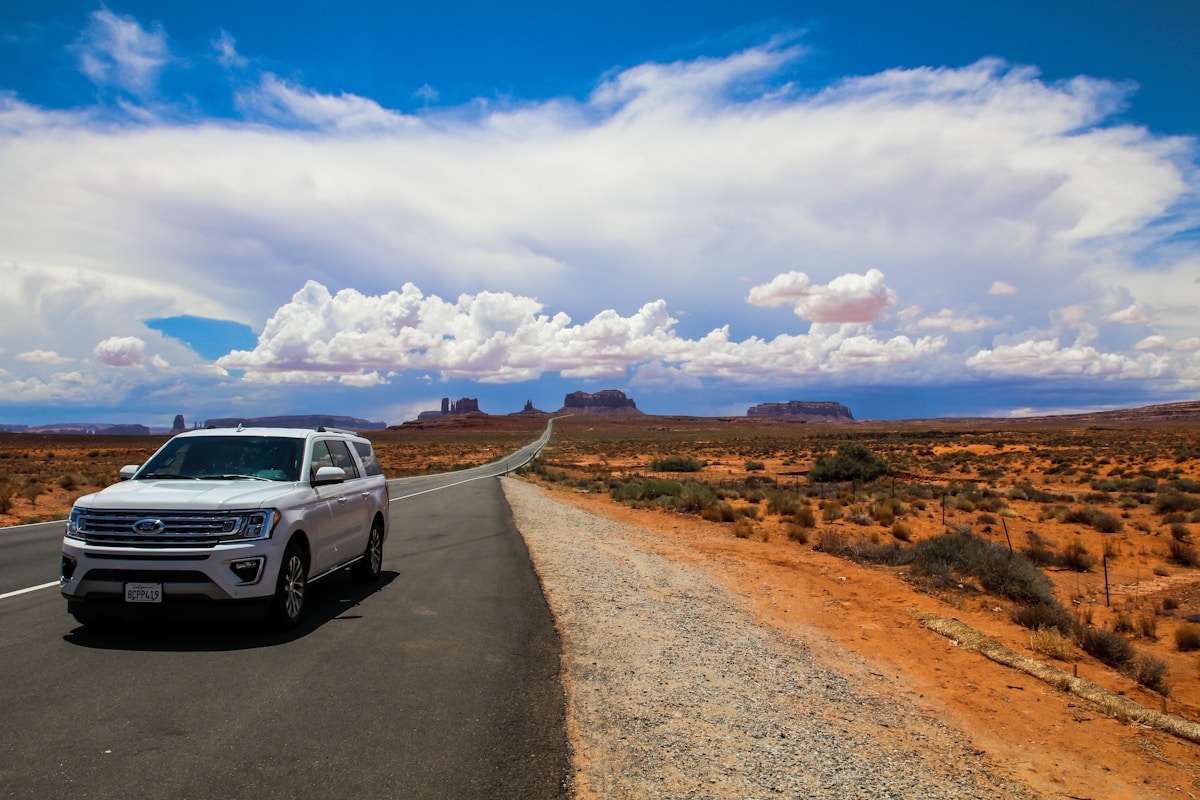
Renting a car in the USA opens the country in a way that public transport rarely can - national parks, mountain roads, coastal highways, and small towns between major cities all depend on having your own wheels. For international visitors, the process involves a few USA-specific rules that differ from renting in Europe, Australia, or Asia.
What You Need to Rent a Car
Valid driving licence from your home country. All 50 US states accept foreign licences for visitors. If your licence is not in English or uses a non-Roman script (Arabic, Chinese, Cyrillic, Japanese, Korean, Thai, etc.), bring an International Driving Permit alongside it - some rental companies will ask for it, and it pre-empts any roadside question from police.
Passport. Required as photo ID when your driving licence doesn’t have a photo, or when the rental company needs to verify your identity. Have it accessible.
Credit card in the renter’s name. Most rental companies require a credit card, not a debit card, at pickup. The card is used to authorise a hold for potential damage or extra charges. Debit cards are accepted at some locations but come with additional restrictions (credit checks, larger deposits, limited vehicle classes).
Age. Minimum 21 at almost all companies. Drivers 21–24 pay a young driver surcharge. Drivers under 21 cannot rent from most major companies.
Age Requirements and Surcharges
| Age | Status |
|---|---|
| Under 21 | Cannot rent from most major companies |
| 21–24 | Allowed; young driver surcharge of $25–$35/day |
| 25+ | Standard rate, no surcharge |
Some companies - Budget and Sixt in particular - rent to drivers aged 18–20 at select locations, with a higher surcharge. If you are under 25, compare full costs across companies before booking. The surcharge can easily exceed the daily base rate for economy cars.
Understanding US Car Rental Insurance
This is the part of the counter experience where most international visitors feel confused and pressured. Here is what is actually being offered and what you likely need.
What the Rental Company Sells You
Collision Damage Waiver (CDW) / Loss Damage Waiver (LDW) - approximately $15–$35/day. This waives your financial liability for damage to or theft of the rental vehicle. It does not cover injury to people or damage to other vehicles.
Liability Insurance - mandatory in the USA. Covers injury to other people and damage to their property if you cause an accident. US state law requires minimum liability coverage, and rental agreements include the legal minimum automatically. Extra liability coverage is sold at ~$10–$15/day.
Personal Accident Insurance (PAI) - covers medical costs if you or passengers are injured. Usually unnecessary if your travel insurance includes medical coverage (it should).
Personal Effects Coverage - covers stolen belongings from the vehicle. Your home insurance or travel insurance likely already covers this.
What International Visitors Actually Need
As an international visitor without a US auto insurance policy, your main choices for collision protection are:
-
Buy the CDW from the rental company. Simple, comprehensive, no claims process. Costs $15–$35/day.
-
Use your credit card’s rental coverage. Many Visa Signature, Mastercard World Elite, and premium Amex cards include collision/damage waiver for rental cars when you:
- Pay the full rental with that card
- Decline the CDW at the counter
Check your specific card’s benefits guide before relying on this. Cards often exclude: vans, pickup trucks, luxury vehicles, vehicles rented for more than 30 days. Some require you to pay the damage upfront and then claim reimbursement.
-
Rental car excess insurance from a travel insurer. Standalone policies from travel insurers can cover the excess (the amount you pay before CDW kicks in) at lower daily costs than the rental company charges.
At minimum, confirm that liability coverage is included (it always is by US law) and make a clear decision on CDW before you reach the counter - the pressure to decide in the moment is a known rental company tactic.
Toll Roads: How They Work
The USA has an extensive toll road network. Most modern toll systems are electronic - no cash, no stopping. Rental cars have transponders already installed.
How charges work if you use a toll road:
- The rental company’s transponder registers your use
- You are billed the toll amount plus an administrative fee per transaction ($1.00–$3.95 depending on the company)
- This appears on your final bill
Alternatives:
- Pay the daily transponder fee ($15–$25/day from the rental company). Unlimited toll use with no per-transaction fee. Worth it if you plan to use multiple toll roads on the same day - particularly relevant in Florida, New York, New Jersey, and Texas.
- Cash toll booths. Many toll plazas still have staffed or coin booths. Pay cash and avoid any rental company charge entirely.
- Plan routes to avoid tolls. Google Maps has a toll-avoidance routing option. On some routes the detour adds 10–20 minutes; on others it saves significant money.
Major toll systems by region:
| Region | System |
|---|---|
| Northeast (NY, NJ, MA, PA, MD) | E-ZPass |
| Florida | SunPass |
| California | FasTrak |
| Texas | TxTag |
| Illinois, Indiana, Ohio | I-PASS / E-ZPass |
Fuel and Gas Stations
US fuel is sold in US gallons (1 US gallon ≈ 3.785 litres). Prices vary significantly by state - California and Hawaii are consistently the most expensive; Texas, Missouri, and Oklahoma are typically cheapest.
Return the car with a full tank. Rental agreements require you to return the car with the same fuel level as you received it (always full). The “fuel service option” - where the rental company pre-sells you a tank at their rate - is almost always more expensive than filling up yourself. Decline it.
Most rental cars take regular unleaded (87 octane). Premium (91+) is used in some high-performance or luxury vehicles - the car’s fuel door will specify. Do not put diesel in a petrol car; US gas stations label pumps clearly.
Fuel pumps in the USA require a zip code when paying by credit card, if the card is from outside the US. This is a fraud prevention step. International cards often fail this check. Either:
- Pay at the pump using your card and enter 00000 when prompted for zip code (works at some pumps)
- Press “Pay Inside” and pay at the counter (always works)
Picking Up the Car
Inspect the vehicle before driving. Walk the entire car with the rental agent and note every existing scratch, dent, chip, or scuff on the rental agreement. Photograph and/or video the full exterior before leaving the lot. If damage appears after you return the car and it wasn’t documented at pickup, you will be charged - this is the most common source of disputed fees.
Check the fuel level. Confirm the gauge matches what’s noted on the rental agreement.
Confirm child seat and GPS if booked. If you reserved extras, verify they are installed/available before leaving.
Common Hidden Fees
| Fee | Typical Cost | Notes |
|---|---|---|
| Young driver surcharge | $25–$35/day | For drivers under 25 |
| Additional driver | $10–$15/day per driver | Undisclosed drivers void insurance |
| Airport concession fee | 10–25% of base rate | Applies to all airport pickups |
| Toll transponder | $15–$25/day | Optional; per-transaction fees apply if declined |
| Car seat / GPS | $10–$15/day each | Often cheaper to bring your own or use phone |
| Fuel service option | Varies | Decline and fill the tank yourself |
Booking Tips
Book refundable rates. US rental prices fluctuate constantly. Booking a refundable rate and re-checking prices closer to your travel date often saves money, especially if demand drops. Non-refundable rates save $5–$15/day but lock you in.
Compare total prices, not headline rates. Use GetRentaCar to compare aggregated rates showing full costs including fees. A $30/day headline rate with surcharges can end up more expensive than a $50/day rate that includes them.
Off-airport locations save 20–35%. Airport rental companies pay concession fees to the airport - passed to customers as the airport surcharge. Renting from an in-city location and using a rideshare to get there is frequently cheaper for longer rentals.
Book specific vehicle class requirements. Your agreement guarantees a vehicle class, not a specific model. If you need AWD for mountain roads or specific cargo capacity, confirm with the company before arrival that your booking class provides it.
Driving Basics for International Visitors
- Drive on the right. The USA drives on the right-hand side. If you are from the UK, Ireland, Australia, Japan, or other left-hand traffic countries, allow extra attention especially when turning at junctions.
- Speed limits. Signed in miles per hour (mph). Highway limits typically 55–75 mph; residential streets 25–35 mph. School zones drop to 15–25 mph when children are present.
- Right turn on red. Unless a sign says otherwise, turning right at a red traffic light is legal in all US states, after coming to a complete stop and checking for pedestrians and oncoming traffic.
- Four-way stops. Common at residential intersections without traffic lights. Vehicles proceed in the order they arrived. If two vehicles arrive simultaneously, the vehicle on the right goes first.
- Seat belts. Mandatory for all occupants in every state.
- Phone use. Handheld phone use while driving is illegal in most states. Use hands-free or mount your phone before setting off.
Related Guides
- Best States for USA Road Trips
- Getting Around the USA
- Route 66 Road Trip Guide
- National Parks of the USA
Plan Your Trip
✈️ Book your flights to the USA 🛡️ Get travel insurance 📱 Stay connected with an eSIM 🚗 Compare car rental prices