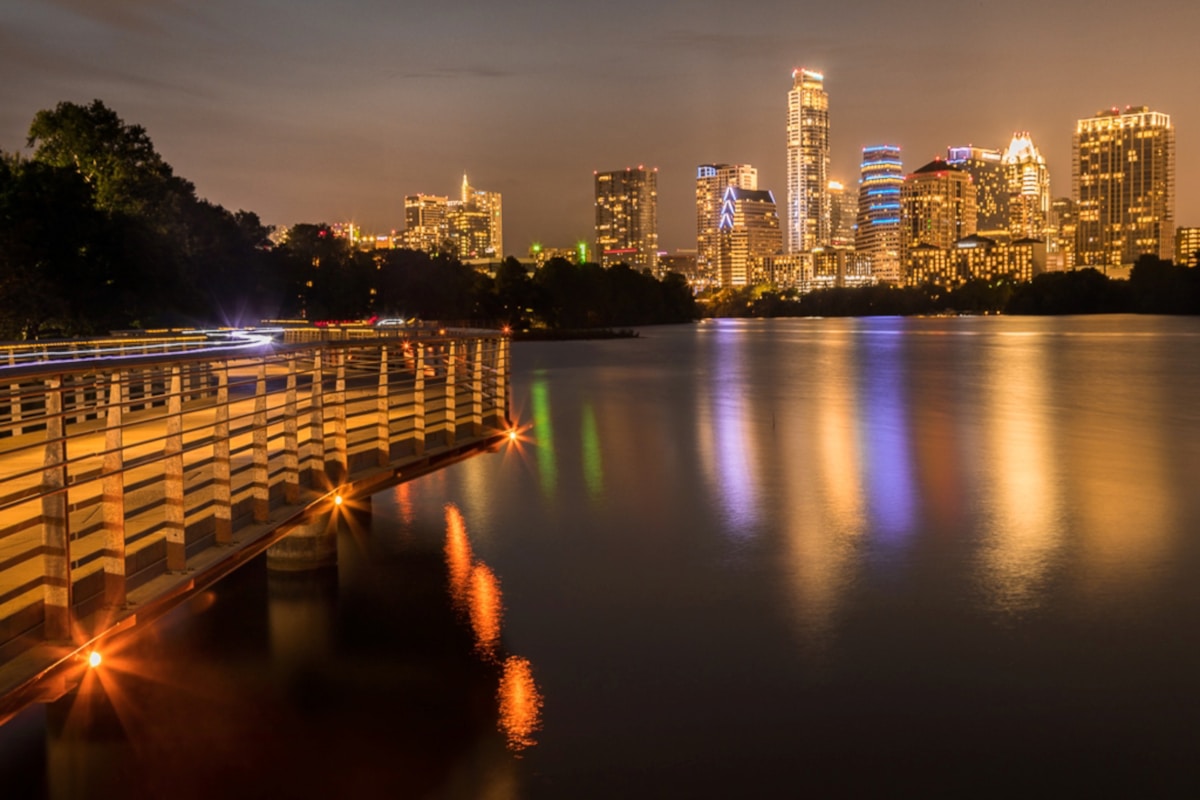
Nashville’s attractions divide between music history (the Ryman, the Country Music Hall of Fame, the Johnny Cash Museum), outdoor and green space (Centennial Park, the Parthenon, Percy Warner Parks), and the live honky-tonk scene on Lower Broadway and Frenchmen Street equivalents further afield. The city rewards a degree of spontaneity-some of the best experiences are stumbling into a bar at 2pm to find a three-piece band mid-set on a Tuesday-but a few key attractions are worth planning for.
Lower Broadway
Lower Broadway (between 1st and 5th Avenues S, south side) is the honky-tonk strip that has been Nashville’s most recognisable feature for 70 years. It runs day and night, with live music in almost every bar from roughly noon onwards.
Tootsie’s Orchid Lounge (422 Broadway) - The most storied of the Broadway bars; Kris Kristofferson was a dishwasher here in the 1960s and Willie Nelson allegedly had some of his early songs discovered through this address. Three stages, no cover, music from early afternoon. Drinks approximately $6–$10 as of 2026.
Robert’s Western World (416 Broadway) - Preserved more authentically than most Broadway bars; still sells boots. Fried bologna sandwich (approximately $7 as of 2026) is the bar food of choice. No cover; the Brazilbilly house band has been the resident act for years.
Legends Corner (428 Broadway) - Strong live music consistently; less touristy in feel than some of the newer establishments.
The newer multi-story celebrity-owned bars (Blake Shelton’s Ole Red, Luke Bryan’s 32 Bridge Food + Film) are more expensive and less authentic but do offer rooftop views over the Broadway strip; 32 Bridge has one of the better views of the Cumberland River.
Ryman Auditorium
The Ryman Auditorium (116 Fifth Ave N) is the “Mother Church of Country Music”-a 1892 tabernacle that became the home of the Grand Ole Opry from 1943 to 1974 and has hosted virtually every significant figure in American roots music. The pew seating and the acoustic properties of the original building remain.
Daytime tours cost approximately $25 as of 2026; open daily 9am–4pm. The self-guided format covers the history of the building and the acts who played here.
Evening concerts span country, Americana, folk, and occasional rock and pop. Tickets vary from approximately $30 to $150+ depending on the artist; book in advance at ryman.com. The Ryman holds approximately 2,300 people; sight lines from all sections are usable given the intimate format.
Country Music Hall of Fame and Museum
The Country Music Hall of Fame and Museum (222 Fifth Ave S) is the city’s most substantive museum; the permanent collection holds Elvis Presley’s “Solid Gold Cadillac,” Hank Williams’ stage suits, and the largest archive of country music recordings and memorabilia in the world.
Admission approximately $30 as of 2026; open daily 9am–5pm. Allow at least 2 hours for the permanent collection; exhibitions on specific artists (Dolly Parton, Johnny Cash, Merle Haggard) change on an approximately 18-month cycle and typically require an additional $10–$15 ticket. The museum also runs tours of historic RCA Studio B on Music Row (approximately $20 add-on); the studio where Elvis, Dolly, and thousands of other artists recorded is still active and gives a sense of how Nashville’s recording industry functions.
The Johnny Cash and Patsy Cline Museums
Johnny Cash Museum (119 Third Ave S) - More personal in scale than the Country Music Hall of Fame; the collection focuses on Cash’s life, the Man in Black persona, his religious faith, and his marriage to June Carter Cash. Admission approximately $20 as of 2026; open daily 9am–7pm. The authentic artefacts-clothing, instruments, letters-make it more affecting than a general survey museum.
Patsy Cline Museum - Located on the upper floors of the same building as the Johnny Cash Museum; a separate ticket (approximately $15 as of 2026) is required. Cline died in a plane crash in 1963 at 30 years old; the museum covers her short career and her lasting influence on country singing.
The Parthenon
Centennial Park (2500 West End Ave, West End) contains a full-scale replica of the Athenian Parthenon, built for the Tennessee Centennial Exposition in 1897 and reconstructed in permanent materials in the 1920s. The interior houses a 42-foot gilded replica of Athena Parthenos-the largest indoor sculpture in the Western world-and a collection of American paintings.
Admission approximately $7 as of 2026; open Tuesday–Saturday 9am–4:30pm. The surrounding Centennial Park is free, open daily, and has a lake and walking paths; the park is one of the most pleasant urban green spaces in the city. A 20-minute walk from Lower Broadway or a short rideshare.
Cheekwood Estate and Gardens
Cheekwood (1200 Forrest Park Dr, Belle Meade) is a 55-acre botanical garden and fine arts museum set on the estate of a 1930s neo-Georgian mansion. Admission approximately $20 as of 2026; open daily 9am–5pm (grounds until 7pm in summer). The sculpture trail through the grounds is the highlight; a Japanese garden and a working kitchen garden are additional draws.
The holiday lights installation (approximately Thanksgiving through early January) is the most-attended seasonal event; allow an extra $5–$10 for that period and book timed entry ahead. Best reached by car or rideshare; approximately 8 miles from downtown.
East Nashville
East Nashville is the neighbourhood that most clearly shows what Nashville looks like beneath the tourist layer. The Five Points area (the intersection of McFerrin, Clearview, and Woodland Streets) has independent restaurants, vintage clothing shops, bookshops, and music venues without a cover charge.
The Crying Wolf (823 Woodland St) - A neighbourhood dive bar that hosts consistently good local and touring bands; covers approximately $5–$15. Open from 5pm.
Eastside Bowl (1073 Main St) - Bowling, ping pong, and live music in a single venue; the bar food (smash burgers, loaded fries) is genuine rather than incidental. A lane of bowling runs approximately $25–$35/hour as of 2026.
Live Music Beyond Broadway
Bluebird Cafe (4104 Hillsboro Pike, Green Hills) - The listening room where Taylor Swift was discovered; writers’ rounds where songwriters perform the songs they’ve written for other artists. Intimate 90-seat venue. Tickets approximately $15–$30 as of 2026; reserved seats sell out quickly at bluebirdcafe.com. The listening room format means talking during sets is actively discouraged-a different experience than Broadway.
Station Inn (402 12th Ave S, The Gulch) - The city’s most celebrated bluegrass venue since 1974; irregular programming schedule but high quality. No-frills room with great acoustics. Tickets approximately $10–$20; check the schedule at stationinn.com.
Search hotels in Nashville on Booking.com
The Basement East (917 Woodland St, East Nashville) - Indie and Americana acts in an East Nashville venue; outdoor stage area. Tickets approximately $15–$30; book at thebasementnashville.com.
Day Trips
Franklin, Tennessee - Approximately 20 miles south; a well-preserved Civil War-era small city. The Carter House (1140 Columbia Ave) was the centre of the 1864 Battle of Franklin; guided tours approximately $12 as of 2026. Downtown Franklin has good independent restaurants and boutiques on Main Street.
Jack Daniel’s Distillery (Lynchburg, Tennessee) - Approximately 80 miles southeast by car. Tours of the oldest registered distillery in the US start at approximately $20 as of 2026; the premium tasting experiences cost approximately $40–$100. Lynchburg is in a dry county, so you can only purchase bottles at the distillery gift shop, not drink them on-site in standard fashion. Book at jackdaniels.com.
Practical Tips
- Lower Broadway is loud, crowded, and alcohol-focused from about 4pm onwards on weekends; if that environment doesn’t appeal, visit on a weekday morning when the same bars are open but much quieter.
- Rideshares are the primary transport; the bus network is useful but less frequent than in larger cities.
- The Ryman and Bluebird Cafe require advance booking for specific acts; check schedules before you arrive.
Guided Tours Worth Booking in Advance
| Tour | Duration | From | Book |
|---|---|---|---|
| Nashville’s Wildest Honky Tonk Party Bus (21+) | 1.5–2 hrs | $25 | Book |
| Nashville Double-Decker City Tour | 1–2 hrs | $35 | Book |
| Grand Ole Opry Backstage Tour | 1 hr | $47 | Book |
| Grand Ole Opry Show Ticket | 2–3 hrs | $59 | Book |
| Nashville Haunted Murder & True Crime Bus Tour | 2–3 hrs | $60 | Book |
Browse all Nashville tours and activities on GetYourGuide - free cancellation on most bookings up to 24 hours before departure.