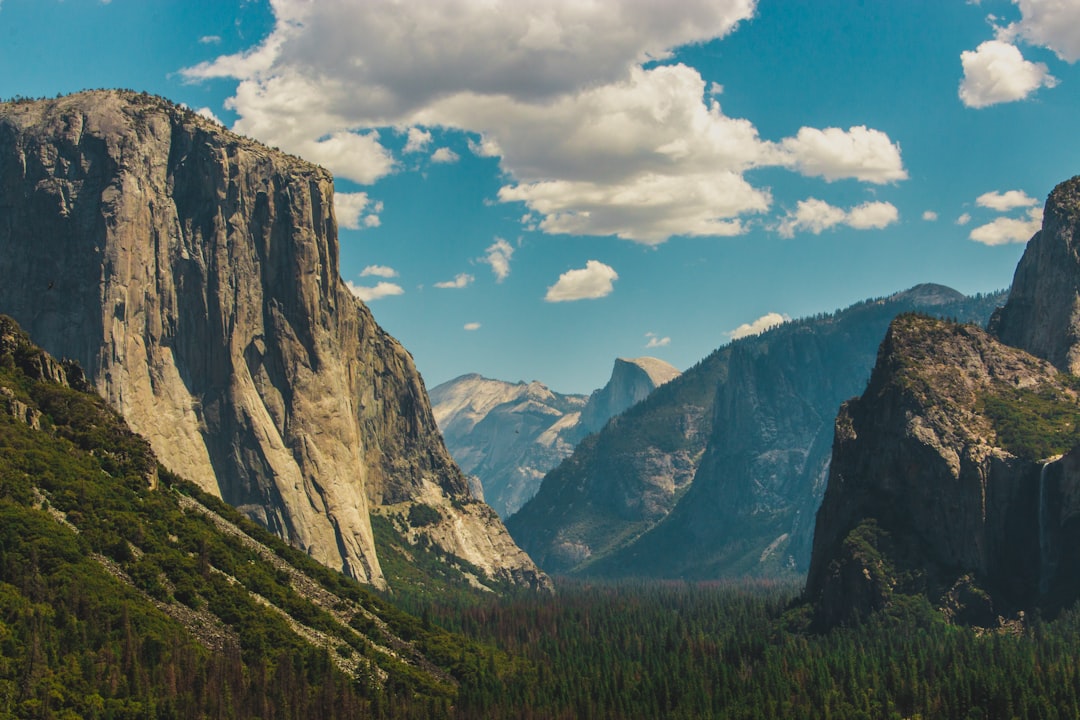
Yosemite Valley is four miles wide and seven miles long, and in summer it hosts roughly the same number of people per square mile as Manhattan. The timed entry permit system exists precisely because the valley was becoming gridlocked - which is a good thing. It means those who plan ahead get a version of Yosemite that is beautiful rather than bumper-to-bumper.
Entry Fees
Standard vehicle entry costs approximately $35 per private vehicle as of 2026, valid for 7 consecutive days for all passengers. Motorcycles pay around $30; individuals on foot, bicycle, or shuttle pay approximately $15 each.
The America the Beautiful Annual Pass ($80) covers entry to all federal fee areas including Yosemite, Grand Canyon, Yellowstone, and 400+ other sites. It pays for itself after three park visits and is worth buying if you plan more than one national park stop in a year. Purchase at store.usgs.gov, recreation.gov, or at the Yosemite entry gate.
Parking within the valley: Day-use parking is free but extremely limited. Valley parking lots fill by 9am on summer weekends. The park runs shuttle buses from El Portal (Highway 140) and Merced - many visitors park outside and ride in.
Timed Entry Reservations
Since 2020, Yosemite has required timed entry reservations during peak season to limit the number of vehicles entering the valley each day. Here is how the system works for 2026:
When reservations are required: Peak season runs approximately late May through early September. Reservations are required to enter Yosemite Valley and Hetch Hetchy between roughly 5am and 4pm. After 4pm, vehicle entry is generally unrestricted.
Cost: Approximately $2 per reservation, separate from the vehicle entry fee.
How to book: Visit recreation.gov and search for “Yosemite timed entry.” You will need a recreation.gov account. The booking process takes under 5 minutes once you have an account. Book early - summer dates sell out within minutes of release.
Release schedule: Recreation.gov releases reservations on two schedules:
- Initial season release: A large block is released weeks before the season opens. This is the easiest time to secure a date.
- Rolling 2-day window: Additional reservations are released each day at 8am Pacific for dates 2 days ahead. Check at exactly 8am for the best chance.
What the reservation covers: Entry by car into Yosemite Valley and specific zones for a 3-hour arrival window. You are not assigned a specific parking spot - just entry access. Once in, you can stay all day.
If you cannot get a reservation: Arrive after 4pm for a sunset and evening in the valley. Many visitors find the late-afternoon and golden-hour light among the best of the day. Alternatively, visit areas of Yosemite outside the timed-entry zone: Mariposa Grove (giant sequoias), Tuolumne Meadows, and Hetch Hetchy all offer superb experiences without the valley queues.
Half Dome Cables Permits
Half Dome is a permit-only hike. The cables section (the final 400 feet of the ascent) requires a separate daily use permit. Here is how to get one:
- Pre-season lottery: Approximately 225 permits per day are allocated through a lottery that opens in March for the cable season (typically late May through mid-October). Apply at recreation.gov. Cost is approximately $10 application fee plus $10 per person if selected.
- Daily lottery: Around 50 permits are held for a daily lottery on recreation.gov, released 2 days before the hike date. This is your best chance to secure a permit close to your visit date.
- Day hikers vs. backpackers: Backpackers with Yosemite Valley or Little Yosemite Valley camping permits are also eligible to hike the cables - they apply through the backpacking permit system.
The total round-trip from Yosemite Valley to Half Dome summit and back is approximately 14–16 miles with 4,800 feet of elevation gain. Allow 10–14 hours; most hikers start by 5am. This is a strenuous full-day hike - not suitable for novice hikers or children under 10.
Iconic Trails and Experiences
Yosemite Valley Floor Loop: A 12-mile loop accessible by bike or on foot, passing major valley features. Yosemite Valley Bike Rentals operates from Yosemite Valley Lodge and Curry Village at approximately $15/hour or $35/day.
Mist Trail to Vernal and Nevada Falls: The most popular day hike - 7 miles round-trip to Nevada Fall, 3.4 miles to Vernal Fall. The trail is paved to Vernal Fall Bridge but becomes slippery granite steps beyond - traction devices useful in wet season.
Mariposa Grove of Giant Sequoias: Free shuttle from Mariposa Grove Welcome Center (no vehicle access beyond the welcome center). The biggest tree, the Grizzly Giant, is approximately 2,700 years old with a base circumference of nearly 100 feet.
Glacier Point: Accessible by road (Glacier Point Road) from late May to October - it is not always ploughed in winter. The four Corners viewpoint overlooks Half Dome, Nevada and Vernal Falls, and the full valley. Glacier Point Stargazing programs run on summer weekends. For guided hikes, photography tours, and rock climbing experiences in Yosemite, browse Yosemite tours on GetYourGuide - options include guided valley walks and sunrise excursions to Glacier Point.
Horsetail Fall: Every February, the setting sun briefly illuminates this seasonal waterfall to appear as if it is glowing lava - the Yosemite Firefall effect. The optimal viewing window is typically February 10–26. No permit system in place for the viewpoint; arrive hours early for the popular El Capitan Meadow viewing area.
Getting There
| Origin | Route | Approx Drive |
|---|---|---|
| San Francisco | Highway 120 (Crane Flat) or 140 (El Portal) | 3–4 hours |
| Los Angeles | Highway 41 (South Entrance) via Fresno | 5–6 hours |
| Sacramento | Highway 120 via Stockton | 3–3.5 hours |
| Las Vegas | Highway 395 to 120 | 6.5–7 hours |
Yosemite Area Regional Transportation (YARTS): YARTS buses serve Yosemite from Merced, Mammoth Lakes, and Fresno year-round, and from Sonora and Tuolumne County in summer. A seat from Merced costs approximately $15 one way. This is the best option if you cannot secure a vehicle entry reservation - the bus counts as a non-vehicle entry and does not require a timed-entry permit.
No overnight camping in parking lots: Yosemite Valley campsites require reservations via recreation.gov, typically releasing at 7am Pacific exactly 5 months before the desired camp date. Competition is intense - set an alarm.
Best Time to Visit
| Month | Conditions | Waterfalls | Crowds |
|---|---|---|---|
| Feb–Mar | Cold, possible snow | Horsetail Fall event (Feb) | Very low |
| Apr–May | Mild, waterfalls at peak | Yosemite Falls roaring | Moderate |
| Jun–Aug | Warm to hot | Falls slowing | Very high |
| Sep–Oct | Excellent, clear | Falls quieter | Moderate |
| Nov–Jan | Cold, some road closures | Variable | Lowest |
April and May are arguably the best overall months: snowmelt feeds the waterfalls to their roaring peak, temperatures are comfortable for hiking, and the valley is at its greenest without the full crush of summer visitors.