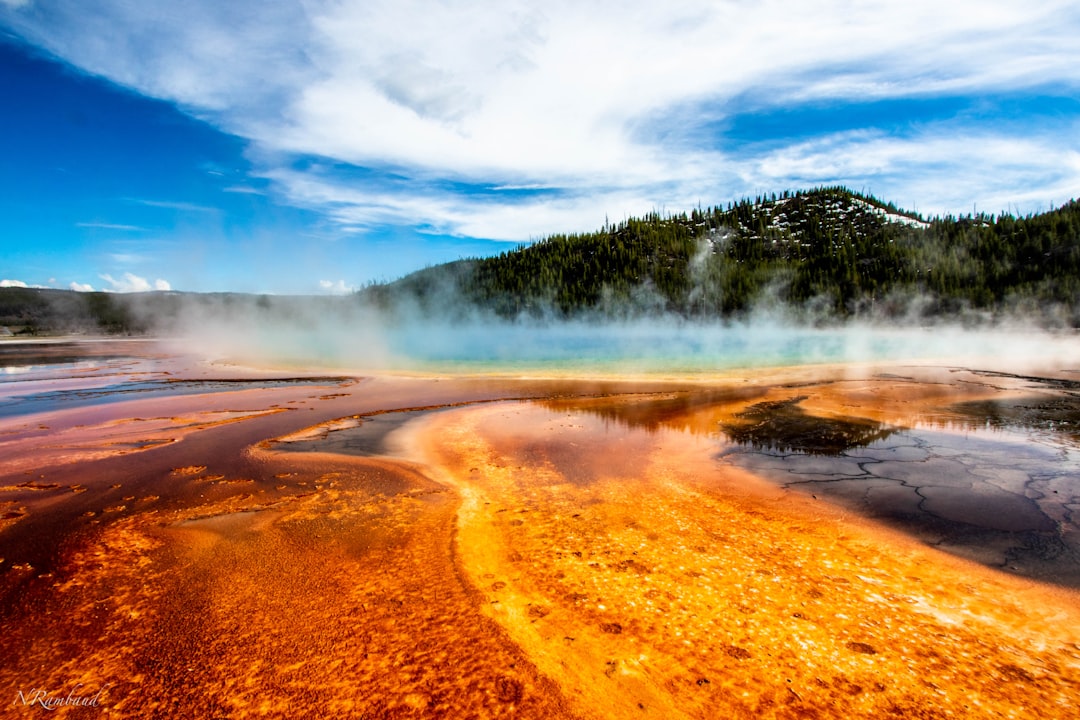
Yellowstone is the world’s first national park and still one of its most extraordinary: 10,000 geothermal features, more than half of the world’s geysers, wolf packs, bison herds, and grizzly bears - all within a 3,472-square-mile caldera. Visiting well requires understanding a permit system that has grown more complicated as visitation has surged past 4 million per year.
Entry Fees and Passes
Standard vehicle entry costs approximately $35 per private vehicle as of 2026, covering all passengers and valid for 7 consecutive days. Motorcycles pay around $30; individuals arriving on foot, bicycle, or by park shuttle pay approximately $20 each.
The America the Beautiful Annual Pass ($80) covers entry to all 400+ NPS fee areas, BLM recreation sites, and Forest Service lands. It pays for itself if you visit two national parks in a year. Purchase at recreation.gov, store.usgs.gov, or at any entry station.
Fee-free days are offered several times per year (typically Martin Luther King Jr. Day, the first day of National Park Week, Great American Outdoors Act anniversary, Veterans Day, and National Public Lands Day). These days attract significantly larger-than-usual crowds.
Timed Entry Reservations
Yellowstone implemented timed entry reservations for peak season to manage vehicle congestion at the most popular entry corridors. Here is how the system works:
When reservations are required: During peak season (typically late May to early September), entering certain sections of the park before a cutoff time (usually 8am) requires a reservation in addition to the entry fee. After the cutoff time, vehicles can enter freely.
How to book: Reservations are made at recreation.gov. You will need a recreation.gov account. The booking window typically opens several months before the peak season - check the NPS Yellowstone website for exact dates. Reservations cost approximately $2 per booking, on top of the entry fee.
Which gates are affected: The North Entrance (Gardiner, Montana) and the South Entrance (near Grand Teton) are most commonly gated. The West Entrance (West Yellowstone) frequently has the longest queues even without formal timed entry. Confirm current requirements at nps.gov/yell before your trip.
If you miss the reservation window: Arrive after the free-entry cutoff time, typically 8am. Many visitors who do this find entry takes less time than expected since morning reservation holders have already entered.
What to Book in Advance
Beyond park entry, several experiences sell out weeks or months ahead:
Lodging inside the park: Yellowstone has five lodge complexes including Old Faithful Inn (one of the largest log structures in the world), Lake Yellowstone Hotel, and Canyon Lodge. All are operated by Xanterra Parks & Resorts. Summer rooms book out within days of reservations opening, typically in mid-May of the prior year. Book at yellowstonenatlaparkslodges.com or call Xanterra directly.
Guided wildlife tours: Early morning wolf and bear-watching tours in the Lamar Valley (Northeast entrance area) depart before dawn and run approximately $90–$175 per person. Naturalist-led safari-style tours run all day at higher prices. Browse Yellowstone tours on GetYourGuide for wildlife safaris, snowcoach day trips, and photography tours with instant confirmation. Book 4–8 weeks ahead for summer; 2–4 weeks ahead for shoulder season.
Snowcoach and snowmobile tours: In winter (mid-December to mid-March), the park interior closes to wheeled vehicles except for specific routes. Snowcoach tours from Mammoth Hot Springs or West Yellowstone to Old Faithful and the Grand Canyon of Yellowstone run approximately $175–$350 per person. Guided snowmobile tours start around $300 per person. Book via recreation.gov or licensed outfitters.
Fly fishing permits: Yellowstone Lake and the Yellowstone River require a separate NPS fishing permit - approximately $18 for 3 days or $40 for the season as of 2026. Available at visitor centres or online.
Must-See Areas and Practical Notes
Old Faithful and the Upper Geyser Basin: Old Faithful erupts approximately every 90 minutes; eruption times are predicted and posted at the Visitor Education Center. Arrive 30 minutes early for a good viewing position. The Old Faithful Inn’s porch is the best vantage point in rain.
Grand Prismatic Spring: The park’s largest hot spring and most photographed thermal feature. The Midway Geyser Basin boardwalk puts you at eye level - the colours are best early morning before the steam obscures the view. The Fairy Falls Trail overlook offers the aerial perspective seen in most photographs.
Lamar Valley: The best area for wildlife viewing, particularly wolves, bison, and pronghorn. The valley is a 50-mile drive from Old Faithful. Dawn and dusk are prime viewing times; bring binoculars or a spotting scope.
Grand Canyon of Yellowstone: The 20-mile canyon with two major waterfalls (Upper Falls at 109 feet, Lower Falls at 308 feet) is accessible from Canyon Village. The South Rim drive and Artist Point are the most popular viewpoints.
Getting There
Yellowstone has five entrance stations. The nearest commercial airports are:
| Airport | Distance to Park | Approx Drive |
|---|---|---|
| Jackson Hole (JAC) | 56 miles (South Entrance) | 1.5 hours |
| Bozeman (BZN) | 90 miles (North Entrance) | 1.5 hours |
| Billings (BIL) | 130 miles (Northeast) | 2.5 hours |
| Idaho Falls (IDA) | 110 miles (West Entrance) | 2 hours |
| Salt Lake City (SLC) | 320 miles (South Entrance) | 5 hours |
There is no public transit to Yellowstone. A rental car is effectively required. Book rental cars early for summer - Bozeman and Jackson Hole inventory is limited.
Driving Inside the Park
The Grand Loop Road (a figure-8 route totalling 142 miles) connects all major Yellowstone attractions. Speed limits are 35–45mph; wildlife on the road is common. A road trip around the full Grand Loop takes at least 2 days. Winter road closures leave only the Mammoth to Cooke City route open to wheeled vehicles.
Fuel: Gas stations inside the park are at Grant Village, Old Faithful, Canyon, and Tower Junction. Prices run approximately 30–50 cents per gallon above regional averages.
Best Time to Visit
| Period | Conditions | Wildlife | Notes |
|---|---|---|---|
| Late Apr–May | Roads reopening, snow possible | Newborn bison, bears foraging | Some facilities still opening |
| Jun–Aug | Peak crowds, warm | Bison rut begins (July) | Book months ahead |
| Sep–Oct | Excellent, crisp | Elk rut, bears fattening | Best overall for most visitors |
| Nov–mid-Dec | Some closures | Quiet | Interior roads closing |
| Mid-Dec–Feb | Snowcoach only | Wolf activity, frozen geysers | Otherworldly but needs planning |
September is widely regarded as the best single month: elk rut bugling fills the valleys, grizzlies are active before denning, and the crowds of August have thinned substantially.