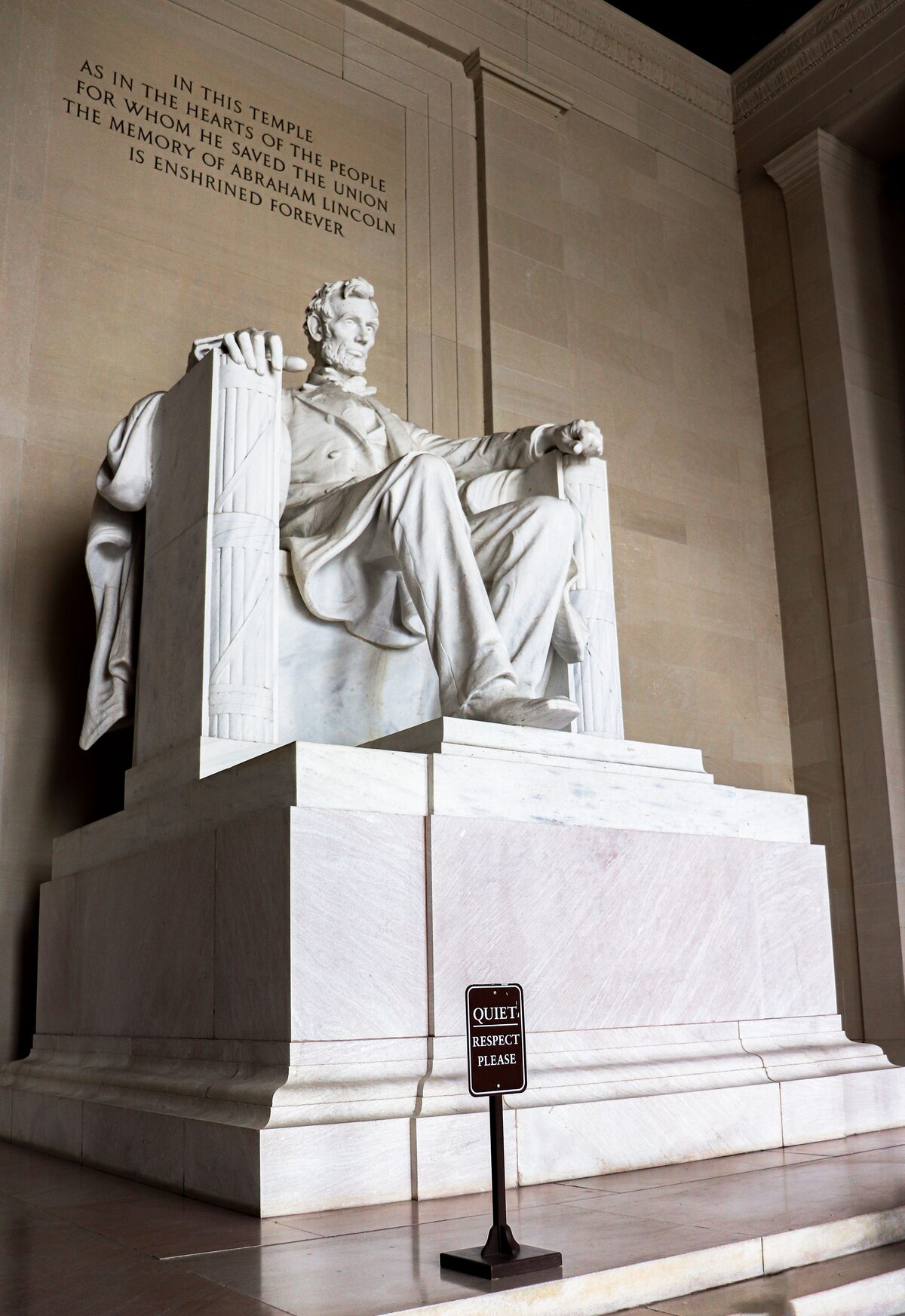
Washington DC is one of the most rewarding cities for visitors on a budget. The overwhelming majority of its attractions - including 19 world-class Smithsonian museums, every monument on the National Mall, the US Botanic Garden, the Library of Congress reading rooms, and the National Zoo - are entirely free. The planning challenge is not cost but logistics: timed-entry reservations for the most popular sites sell out weeks in advance, and the Mall is large enough that an unplanned day can result in either too much walking or too many queues.
The National Mall: Free and Open 24/7
The Mall runs 1.9 miles from the Lincoln Memorial to the US Capitol. Walking the full length takes most of a day if you stop at the major monuments.
Lincoln Memorial is open 24/7 and costs nothing. Rangers are present from 9:30am to 10pm daily. The view east from the top of the steps across the Reflecting Pool - the same view from which Martin Luther King Jr. delivered his 1963 speech - is one of the defining vistas in American public life. Early morning (before 8am) or late evening are far quieter than midday.
Washington Monument is the exception to the free-without-booking rule. Entry is free, but timed-entry passes are required via recreation.gov. Passes release 30 days in advance at 7am ET and sell out within hours in peak season. Plan well ahead; a small allocation of walk-up passes is released at 7am on the day of visit but is not guaranteed. The 500-foot observation deck has clear views across the Mall in every direction.
World War II Memorial, Vietnam Veterans Memorial, and Korean War Veterans Memorial are all free, open 24/7, and require no reservation. The Vietnam memorial - a sunken black granite wall inscribed with 58,318 names - is most affecting in early morning or dusk light, away from the midday crowd.
Jefferson Memorial and Martin Luther King Jr. Memorial sit on the Tidal Basin and are free and open 24/7. They are best combined into a 1.5–2 hour walk around the basin - especially memorable in late March and early April during cherry blossom season.
Smithsonian Museums: What to Prioritise
All 19 Smithsonian museums are free. The challenge is choosing which to include in a limited itinerary.
National Museum of Natural History - free, but the NMAAHC (below) should take priority if you can only do one museum with a pass constraint. Natural History is walk-in and covers dinosaurs, gems (the Hope Diamond), ocean life, and human origins - allow 2–3 hours.
National Museum of African American History and Culture (NMAAHC) - free, but requires advance timed-entry passes from recreation.gov. This is the most significant museum built in the United States in a generation. Passes release on a rolling 30-day basis; book immediately when your window opens.
National Air and Space Museum - free, walk-in. The Wright Brothers’ Flyer, Charles Lindbergh’s Spirit of St. Louis, John Glenn’s Friendship 7 capsule, and Apollo 11 artefacts are all original objects. The Mall location is the original; the larger Udvar-Hazy Center near Dulles airport houses the Space Shuttle Discovery and the SR-71 Blackbird.
National Museum of American History - free, walk-in. Covers the full sweep of US cultural and political history; the Star-Spangled Banner flag and Julia Child’s kitchen are the standout artefacts.
Paid Attractions Worth the Money
International Spy Museum (700 L’Enfant Plaza SW; approximately $25.95 adult, $17.95 child 7–11 as of 2026) is the most compelling paid attraction in Washington DC. The building houses a genuine collection of Cold War tradecraft artefacts - KGB equipment, CIA devices, original Enigma machines - displayed with strong interactive design. Budget 2–3 hours. Book in advance on the museum website or via GetYourGuide Washington DC tours.
Ford’s Theatre (511 10th Street NW; approximately $18 adult as of 2026) covers the assassination of Abraham Lincoln in a format that few other American historic sites match. The combined ticket includes the theatre itself (where Lincoln was shot on April 14, 1865), the museum in the lower level with Lincoln artefacts including the Deringer pistol used by John Wilkes Booth, and the Petersen House across the street where Lincoln died the following morning. Evening performances (live theatre) are programmed separately and require their own tickets - check the Ford’s Theatre website for the season schedule.
National Building Museum (401 F Street NW; approximately $15 adult as of 2026) is housed in one of the most impressive interior spaces in Washington - the Great Hall’s 75-foot Corinthian columns are larger than they appear in photographs. The permanent exhibitions on architecture, design, and urban planning are thought-provoking without being dense; the building itself is the primary attraction.
National Geographic Museum (1145 17th Street NW; approximately $15 adult as of 2026) runs changing exhibitions drawing on the National Geographic Society’s archive of photography and research. Less crowded than the Smithsonian institutions; the quality depends on the current exhibition, so check the website before visiting.
Guided Tours in Washington DC
The city’s size and the density of its historical layers reward guided tours. GetYourGuide Washington DC tours offers a range of the most popular options:
- Monuments by Moonlight Bus Tour - covers all major monuments after dark when the illuminated marble is at its most dramatic. Approximately 2.5 hours; runs nightly in peak season.
- Capitol Hill Walking Tour - covers the Capitol exterior, the Supreme Court, the Library of Congress, and the historical context for each. Most are 2–3 hours on foot.
- Arlington Cemetery Walking Tour - the 624-acre cemetery holds the graves of John F. Kennedy, Robert Kennedy, and thousands of military veterans. A guided tour provides context that visiting independently does not. The Changing of the Guard at the Tomb of the Unknown Soldier runs every hour on the hour (every 30 minutes in summer).
- Food and History Tours - concentrate on neighbourhood history alongside DC’s food scene, which has developed significantly since 2010. Shaw, H Street Corridor, and Eastern Market are the best neighbourhoods for food touring.
US Capitol and Library of Congress: Free but Plan Ahead
US Capitol Tours are free but must be reserved in advance through your Congressman’s office (US residents) or through the Capitol Visitor Center at visitthecapitol.gov (all visitors). Tours run Monday through Saturday and include access to the Rotunda, Statuary Hall, and the Crypt. The dome and Senate Chamber observation areas are separate and require specific requests - check availability on the website well before your visit.
Library of Congress (101 Independence Avenue SE) - the reading rooms and architecture tours are free. The Main Reading Room of the Jefferson Building, visible from the visitor gallery, is one of the most beautiful rooms in the United States. No advance booking required for visitor gallery access; self-guided tours run during opening hours.
Arlington Cemetery
Arlington National Cemetery is free to enter. The Tomb of the Unknown Soldier Changing of the Guard runs daily (hourly October through March, every 30 minutes April through September) and is one of the most solemn and precise military ceremonies in the country. The Kennedy gravesites, the Women in Military Service Memorial, and the Memorial Amphitheater are all within walking distance. Allow 2–3 hours for a thorough visit. Transport: the Arlington Cemetery Metro station (Blue Line) sits at the cemetery entrance.
Planning Your Visit
Spring (late March–May) is peak season for a reason: cherry blossoms around the Tidal Basin (typically late March to early April) draw enormous crowds but are worth seeing. Book NMAAHC passes and Washington Monument passes as soon as they become available.
September and October offer excellent weather, smaller crowds than summer, and full seasonal operations at all sites. This is often the best time to visit for anyone flexible on dates.
Getting around: The DC Metro (Metrorail) covers all major attractions efficiently. The Smithsonian station (Blue/Orange/Silver Lines) puts you at the centre of the Mall. Capitol South serves Capitol Hill. Arlington Cemetery has its own station. A SmarTrip card is more economical than buying single-trip paper tickets.
For hotel options by neighbourhood, our Washington DC hotels guide covers every price tier from Capitol Hill to Georgetown. Day trips from Washington DC covers Harpers Ferry, Annapolis, Shenandoah, and other half-day options within 90 minutes of the city.
Washington DC Top Experiences at a Glance
Most DC attractions are free - but the most popular ones require advance reservations. Prices as of 2026. Book Washington DC tours on GetYourGuide.
| Experience | Cost | Book Ahead? | Book |
|---|---|---|---|
| Washington Monument (observation deck) | Free | Yes - 30 days via recreation.gov | DC tours on GYG |
| NMAAHC | Free | Yes - 30-day rolling pass at recreation.gov | Book immediately when window opens |
| Monuments by Moonlight Bus Tour | ~$55 | Yes | Book on GYG |
| International Spy Museum | ~$25.95 adult | Yes - timed entry | Book via Tiqets |
| Arlington Cemetery Walking Tour | ~$25 | Recommended | Book on GYG |
| Ford’s Theatre | ~$18 adult | Recommended | Book on GYG |
| National Building Museum | ~$15 adult | Walk-in usually fine | Book on GYG |