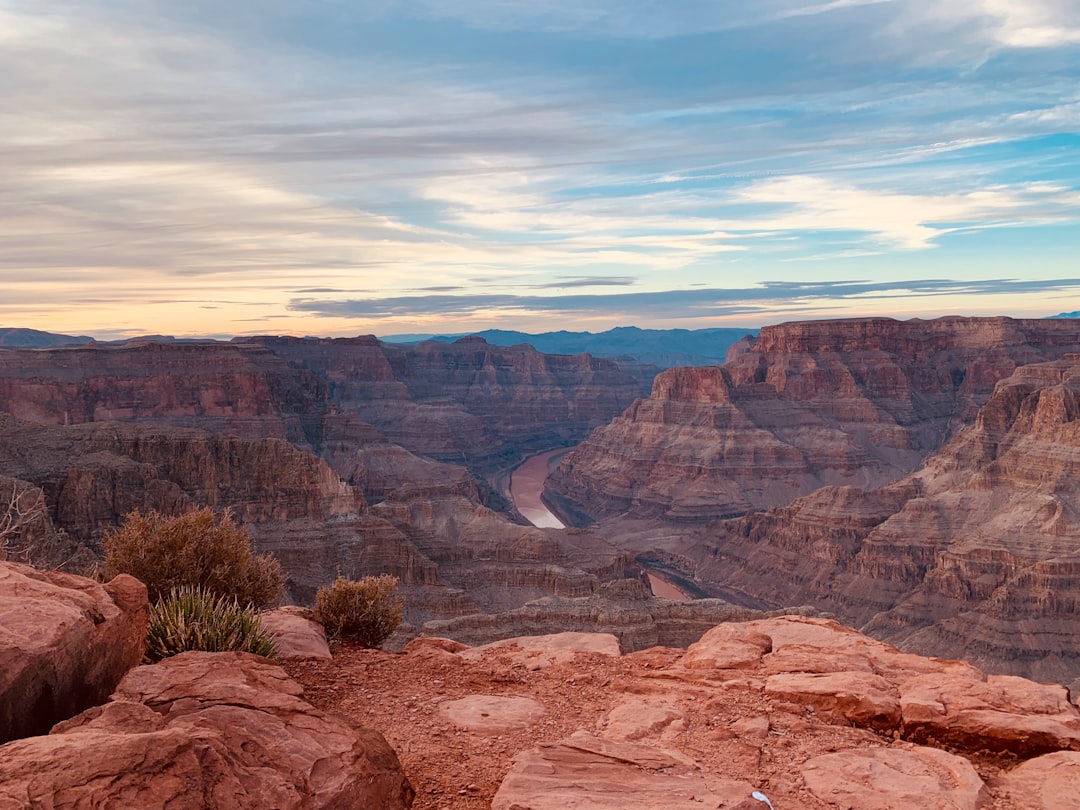
The Grand Canyon draws around 6 million visitors a year, and for good reason - there is simply nothing else like standing on the South Rim and seeing 277 river miles and a billion years of geology laid out in front of you. Getting in requires almost no advance planning; booking the experiences worth having is a different story.
Entry Fees and Passes
Standard vehicle entry to Grand Canyon South Rim costs approximately $35 per private vehicle as of 2026, covering all passengers and valid for 7 consecutive days. Motorcycles pay around $30; individuals entering on foot or by bicycle pay approximately $20 each.
The America the Beautiful Annual Pass costs around $80 and covers entry fees at all 400+ National Park Service sites, as well as Bureau of Land Management and Forest Service lands. If you plan to visit two or more national parks in a year - Zion, Bryce Canyon, Yellowstone, Yosemite - the pass pays for itself quickly. Purchase online at store.usgs.gov or at the entry gate.
Free entry days: The NPS offers several fee-free days per year, typically including Martin Luther King Jr. Day, the anniversary of the Great American Outdoors Act (August 4), and Veterans Day. These days attract enormous crowds, so weigh the $35 saving against significantly longer gate queues.
North Rim entry uses the same America the Beautiful pass. The North Rim is open from mid-May to mid-October only and sees roughly 10% of visitor traffic compared to the South Rim.
How to Pay at the Gate
Pull up to one of the staffed booths on Highway 64 (South Entrance) or at the East (Desert View) Entrance. Cash, card, and mobile pay are all accepted. Pay once and your pass receipt covers 7 days of re-entry.
For cashless convenience, you can also pay in advance at recreation.gov - print or download the QR code and scan it at the gate. This saves 3–5 minutes, not the queue, so it matters most during peak summer weekends.
Mule Rides Into the Canyon
Mule rides are the classic Grand Canyon experience for travellers who want to descend into the canyon without a strenuous hike. The day mule trip to the top of Plateau Point costs approximately $150–$200 per person; the overnight trip to Phantom Ranch (including lodging and meals) runs approximately $700–$1,000 per person.
Phantom Ranch overnight trips book out the moment reservations open - typically 13 months in advance via the lottery at recreation.gov. Day trips have more availability but still sell out weeks ahead in summer. Book as early as possible.
Rafting the Colorado River
Multi-day Colorado River rafting trips through the canyon are bucket-list experiences that require serious lead time. Most commercial operators run trips of 3 to 18 days; prices start at approximately $2,500 for a 4-day motorised raft trip and reach $5,500+ for a 14-day oar trip. Companies such as Arizona River Runners, OARS, and Grand Canyon Whitewater are NPS-permitted operators.
Permit applications for private (non-commercial) rafting go through a weighted lottery at recreation.gov - wait times run 5–15 years for launch permits. Going with a commercial operator is the realistic option for most visitors.
Guided Rim and Helicopter Tours
For visitors who prefer a guided experience, several categories of tour depart from the South Rim and from Las Vegas:
Rim walking tours: Ranger-led walks depart from the Visitor Center Plaza year-round at no extra charge beyond park entry. Private guided rim walks with narration on geology and Native American history run approximately $45–$90 per person through licensed operators.
Helicopter tours: Doors-off helicopter flights from the South Rim airport (Grand Canyon Airport, GCN) offer 25–50 minute flights over the canyon for approximately $200–$350 per person. Las Vegas-based day tour flights with a canyon flyover typically cost $350–$600 per person including round-trip transfers from the Strip.
Sunrise and sunset tours: Guided vehicle tours timed to specific viewpoints like Hopi Point (sunset) and Mather Point (sunrise) are popular with photographers. Group tours run approximately $35–$80 per person; private jeep tours start around $150 per person.
Book guided tours via the GetYourGuide Grand Canyon tours page or directly through licensed operators’ websites. Verify the operator holds a current NPS commercial use authorisation before booking.
Getting There
By car: The South Rim is 80 miles north of Flagstaff (1.5 hours on US-180 and AZ-64) and 280 miles from Phoenix (4 hours). There is no direct interstate to the canyon - the final stretch is always a two-lane road.
From Las Vegas: The South Rim is approximately 280 miles east (4.5 hours via US-93 and I-40). The West Rim (Skywalk) is closer at 130 miles (2.5 hours) and is accessible by tour bus from the Strip.
By train: The Grand Canyon Railway runs daily from Williams, Arizona to the South Rim - a 2.25-hour heritage train journey costing approximately $67–$226 per person round-trip depending on class. It deposits passengers at the historic Grand Canyon Village, a 5-minute walk from the main viewpoints.
By shuttle: The Arizona Shuttle runs daily from Flagstaff to the South Rim for approximately $35 each way. No car rental required if you fly into Flagstaff.
Parking and Getting Around
South Entrance parking: Mather Point and the Visitor Center have the largest lots - arrive before 8am in summer or expect to park in Tusayan (7 miles south) and take the free park-and-ride shuttle.
Free shuttle buses: The South Rim shuttle system runs four routes (Blue, Orange, Red, Purple lines) with stops at all major viewpoints and trailheads. Buses run every 10–15 minutes from before sunrise until after dark, and are the only vehicle access to Hermit Road from spring through autumn.
Best Time to Visit
| Season | Rim Temp | Canyon Interior | Crowds | Notes |
|---|---|---|---|---|
| Spring (Mar–May) | 50–70°F | 80–95°F | Moderate | Best for hiking; wildflowers in April |
| Summer (Jun–Aug) | 75–90°F | 105–115°F | Peak | Avoid below-rim hiking 10am–4pm |
| Autumn (Sep–Nov) | 45–75°F | 75–100°F | Moderate | Golden light, fewer crowds |
| Winter (Dec–Feb) | 20–45°F | 40–65°F | Lowest | Snow on rim possible; trails slippery |
The sweet spot for most visitors is late September through early October - temperatures are comfortable for hiking, the summer crowds have thinned, and the late-afternoon light on the canyon walls is extraordinary.