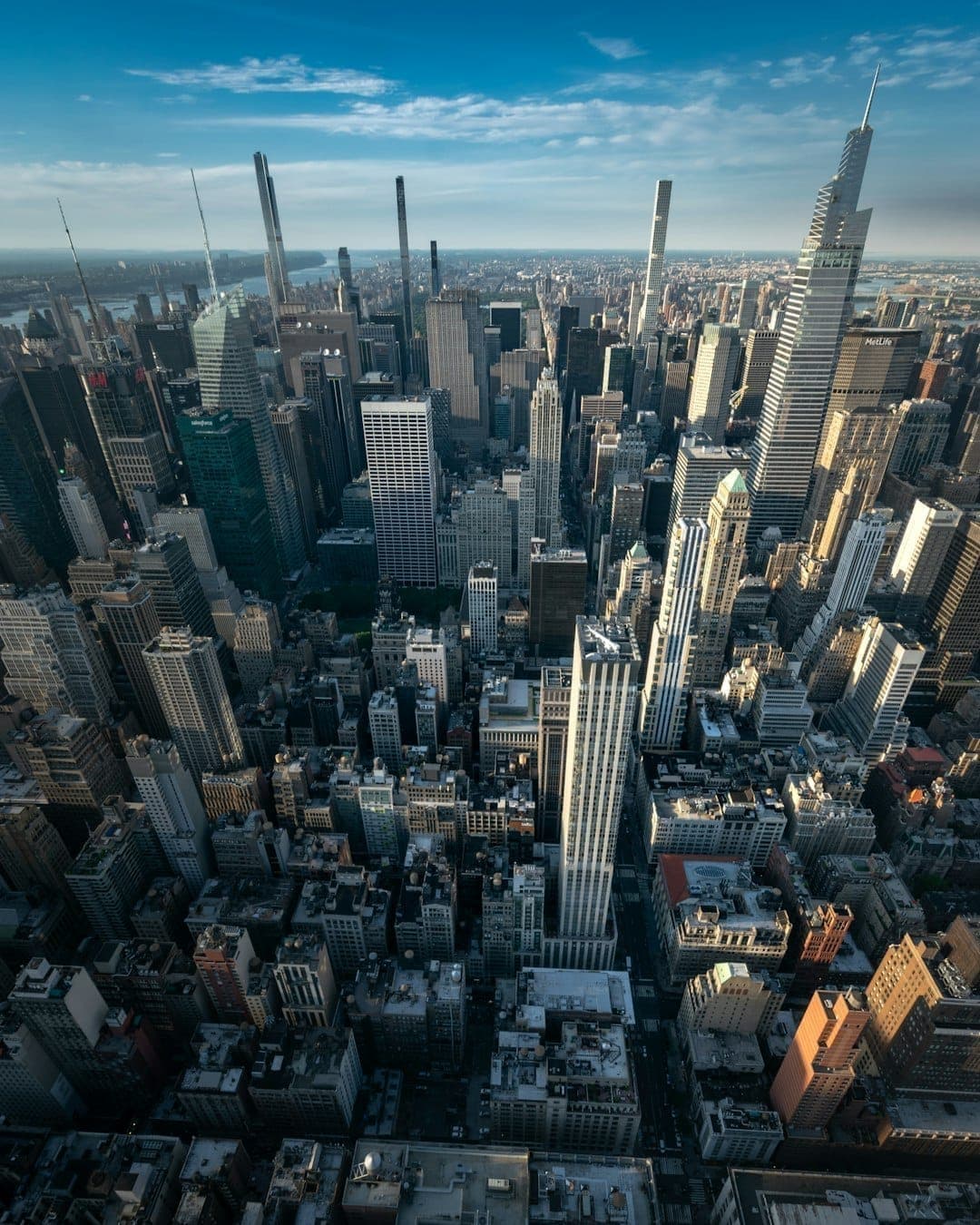
The Empire State Building opened in 1931 and held the title of world’s tallest building for 40 years. At 1,454 feet including the antenna, it remains the most iconic building on the New York skyline and the most-visited paid tourist attraction in the US. Standing on the 86th floor with Manhattan spread below you in every direction is one of those experiences that justifies the trip.
Ticket Options and Prices
The Empire State Building sells tickets for two observatory levels:
Main Observatory - 86th Floor The open-air observation deck at 1,050 feet is the famous one. Prices vary by date and time slot, but expect approximately $44–$65 per adult and $38–$55 per child (ages 6–12) as of 2026. Children under 6 enter free. The gap between cheapest and most expensive slots is real - a 7am slot in March and a 7pm slot in July can differ by $20 or more per person.
Top Deck - 102nd Floor An enclosed glass observatory 16 floors above the main deck. Usually purchased as an add-on for approximately $35 per person on top of the main deck ticket. The 102nd floor gives a slightly higher vantage point but the enclosed format means photographing through glass. It is spectacular on a perfectly clear day and not worth it in haze or cloud.
All-Inclusive Pass Options: New York City multi-attraction passes (New York Pass, Go City, Sightseeing Pass) frequently include the Empire State Building. If you plan to visit multiple New York attractions - the Metropolitan Museum, American Museum of Natural History, Statue of Liberty - compare the pass price against individual tickets. The value calculation depends heavily on which attractions you actually plan to visit.
How to Buy Tickets (and Avoid the Queue)
Buy online, always: On-site ticket purchases at the building require standing in the ticket queue before then joining the security queue. Online tickets come with a timed entry window and let you bypass the ticket line entirely.
Book via the official ESB website or a reputable third-party (such as Tiqets via the widget on this page, or GetYourGuide’s New York City experiences). Prices are identical or sometimes cheaper via third parties who buy in bulk. Check both before committing.
Timed entry: Your ticket specifies an arrival window (typically 30 minutes). Arrive in that window - if you arrive late, you may be turned away and have to rebook.
Express Pass: Skips the security queue and elevator wait for an additional approximately $50–$65 per person. Worth the money on summer weekends and holiday periods when standard waits can hit 45–60 minutes. Less relevant on winter weekdays when queues are under 20 minutes.
Best Times to Visit
Sunrise (first entry, usually 8am): The emptiest time of day. Golden morning light on the Manhattan skyline, almost no crowds on the deck, and the cheapest ticket prices. The tradeoff is that you need to be in Midtown at 8am.
Midmorning (9–11am): Still relatively quiet on weekdays outside summer. This is the best compromise between accessible timing and reasonable crowds.
Sunset (1 hour before sunset): The most popular and expensive slot. The 40-minute window when the city transitions from golden-hour light to glittering night is genuinely magical. Book 7–10 days ahead in summer. The tradeoff is the crowds - the deck can feel crowded at peak sunset times.
Night (after 9pm): Manhattan after dark from 1,000 feet is extraordinary. Later slots cost less than sunset slots and the deck thins out after 10pm. The ESB is open until 2am most nights, which makes it genuinely accessible for theatregoers or late-night visitors.
What to Expect on the Day
Security: All visitors pass through airport-style security (bag X-ray, body scanner). Leave large bags at your hotel - they are inconvenient to carry on the outdoor deck.
Elevator ride: A two-stage elevator system takes you to the 86th floor in approximately 45 seconds to the 25th floor (intermediate stop), then a separate lift to the 86th. The ride is narrated by a short film about the building’s construction.
On the deck: The 86th floor deck is open-air with chest-high metal railings (solid, not open-grate). Coin-operated binoculars are available. On a clear day, the view extends approximately 80 miles. The deck is always open unless there is active lightning - wind and cold are not grounds for closure.
Photography: Shooting through the safety railings produces cleaner results than shooting over them. Visit early in the morning for the best light on midtown skyscrapers. The sunset shots toward New Jersey (west deck) are the most dramatic.
Food: There is a small snack concession on the 86th floor. For a meal, the building’s own STATE Grill and Bar is on the ground floor and does a solid brunch. Hundreds of restaurant options sit within a 5-minute walk in Midtown.
Getting There
The Empire State Building is at 350 Fifth Avenue, between 33rd and 34th Streets, Midtown Manhattan.
By subway: Most convenient options are the B, D, F, M trains to 34th Street–Herald Square (1 block west) or the 1, 2, 3 trains to 34th Street–Penn Station (2 blocks west). The N, Q, R, W trains also stop at 34th Street–Herald Square.
By foot from Penn Station: 5 minutes east on 34th Street.
By foot from Grand Central: 10 minutes west on 42nd Street, then south on 5th Avenue - pleasant walk past the New York Public Library.
Taxis and rideshare: Traffic on 5th Avenue and 34th Street can be slow in the afternoon. Allow extra time if arriving by cab during commute hours.
Parking: Not recommended. The nearest garages run approximately $25–$50 for 2 hours. Take the subway.
Nearby Attractions
The Empire State Building sits within walking distance of several major New York attractions:
- Hudson Yards + The Vessel (1.2 miles west): The Vessel observation spiral and Edge observation deck at Hudson Yards are 15 minutes on foot - combine for a full day of New York views.
- High Line (15-minute walk west): The elevated park runs 1.45 miles from the Meatpacking District to 34th Street. Free to enter; excellent food options along the route.
- Madison Square Garden (3 blocks west): Concert and sports events run most evenings.
- New York Public Library (10-minute walk north): The Rose Main Reading Room is worth seeing for free.
- Times Square (10-minute walk north): Better appreciated at night, when the LED density is genuinely staggering.
Practical Tips
Book the slot you want, not just any slot: The difference in experience between a clear Tuesday afternoon at 4pm and a foggy Saturday evening is significant. Check the weather forecast and book accordingly - if it looks cloudy, consider delaying or swapping to a different date via the cancellation policy.
Combine with the Top of the Rock: Rockefeller Center’s observation deck (70th floor) offers the one view New York’s other observatories cannot - looking south with the Empire State Building itself visible in the skyline. Most visitors do one or the other; if you want the ESB in your skyline photos, visit Top of the Rock first, then the ESB.
Allow 1.5–2 hours: Security, elevator, time on the deck, and the descent usually add up to 90 minutes minimum. Plan around this if you have a dinner reservation or show to catch.