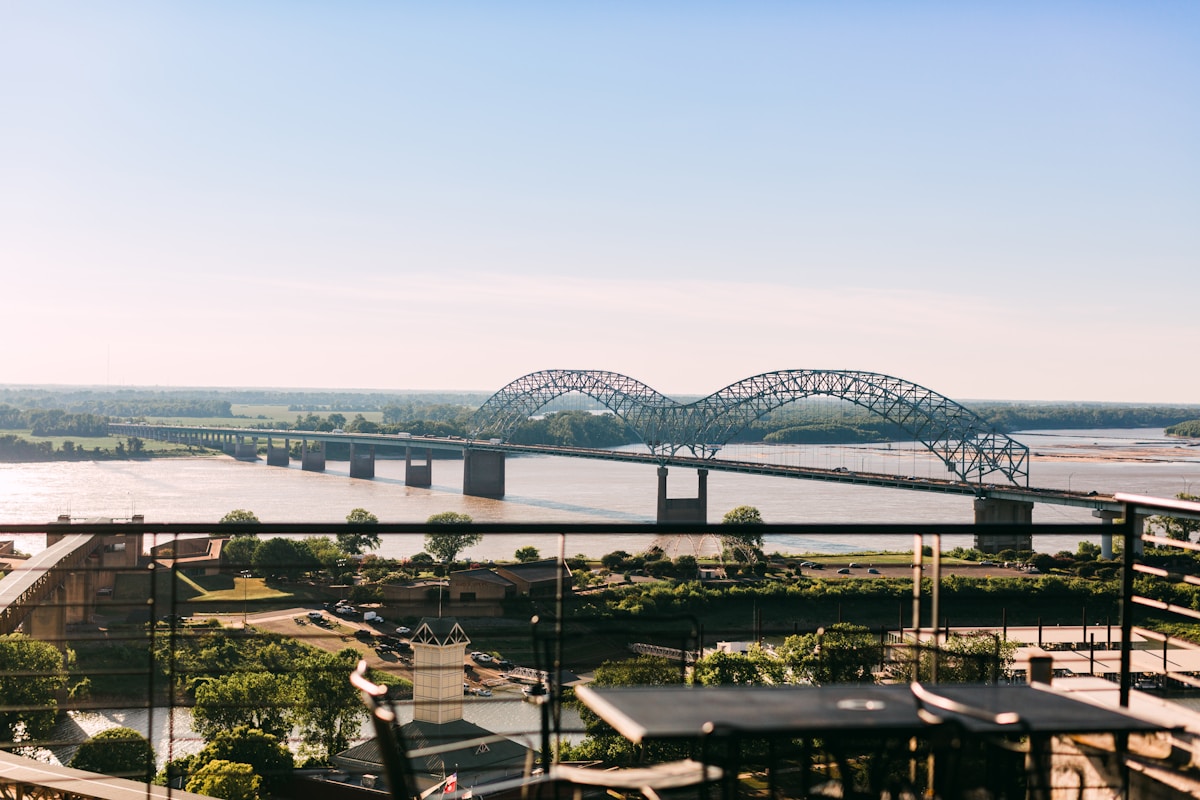
Memphis sits where four states converge - Tennessee, Mississippi, Arkansas, and Missouri all within 100 miles. The surrounding region is defined by the Mississippi River, Civil War battlefields, the cotton-and-blues culture of the Delta, and a deeply undervisited set of historic towns. These aren’t polished tourist circuits - they’re real places with genuine history.
For the city itself, see our Memphis guide and things to do in Memphis.
Shiloh National Military Park - the war’s bloodiest western battle
Distance: 110 miles southeast | Drive time: 2 hours via US-72
The Battle of Shiloh in April 1862 produced more casualties than all previous American wars combined - over 23,000 in two days. The national park preserves the battlefield largely as it was, with a network of auto tour roads and walking trails through the ground where the fighting happened.
The Visitor Center (open 8am–5pm daily) has an excellent museum and film. Admission approximately $10/person as of 2026. Self-guided auto tour takes 2–3 hours; walking specific battle sites (the Sunken Road, Bloody Pond, Peach Orchard) adds another hour or two.
Note: Shiloh is one of the most intact Civil War battlefields remaining - few monuments and minimal commercial intrusion compared to Gettysburg or Antietam.
Clarksdale and the Mississippi Delta - the birthplace of the blues
Distance: 74 miles south | Drive time: 75 minutes via US-61
Clarksdale is the heart of Delta blues culture and the seat of the crossroads myth (Robert Johnson’s deal with the devil, at the intersection of Highways 61 and 49). The Delta Blues Museum (approximately $10 adults as of 2026, open Monday–Saturday 9am–5pm) is the best starting point - exhibits cover the music’s origins from field hollers through electric amplification.
Ground Zero Blues Club (co-owned by Morgan Freeman, open for lunch and evenings) is one of the region’s best live venues and also serves solid Delta food (tamales, catfish, $12–20/person). Red’s Lounge on Sunflower Avenue is a shoebox juke joint with genuine local character.
Route note: The Hwy 61 drive south from Memphis through the Delta is worth doing slowly - plantation fields, shotgun shacks, cotton gins, and the particular flatness of alluvial floodplain land that shaped the music. Guided blues heritage day tours from Memphis also cover this corridor - browse Memphis tours and excursions if you’d prefer a narrated experience.
Holly Springs, Mississippi - antebellum town and Civil War raider history
Distance: 44 miles south | Drive time: 50 minutes
Holly Springs was spared the worst of the Civil War after Confederate cavalry raider Earl Van Dorn destroyed Grant’s supply depot there in December 1862 - forcing the Union to shift its Vicksburg campaign strategy. The town retains over 60 antebellum structures as a result.
The Marshall County Historical Museum (approximately $5 adults as of 2026) covers the raid and local history. The Historic Holly Springs Walking Tour brochure (available at the chamber office) maps the most significant buildings. The courthouse square has several independent lunch spots.
Note: Holly Springs is also the hometown of blues guitarist Junior Kimbrough - his old juke joint site is marked, though the building burned.
Mississippi River State Park - Big River Country, Arkansas
Distance: 50 miles west | Drive time: 55 minutes via I-40 or I-55 to Marianna, AR
On the Arkansas side of the river, Mississippi River State Park at Marianna covers the St. Francis National Forest - bottomland hardwoods, oxbow lakes, and extensive birding along the river corridor. Day use free; canoe rentals available seasonally at the park concession (approximately $30–45/day as of 2026).
The Wapanocca National Wildlife Refuge nearby (free, open during daylight) is a major wintering stopover for ducks and geese - bring binoculars October through February.
Corinth, Mississippi - two Civil War battlefields in one town
Distance: 90 miles southeast | Drive time: 90 minutes via US-72
Corinth was a critical railroad junction that changed hands twice during the war. The Corinth Civil War Interpretive Center (approximately $5 adults as of 2026, operated by the National Park Service) covers both the Siege of Corinth and the later Battle of Corinth with good exhibits and a 2.5-mile walking trail through the earthworks.
The town itself has a small, walkable historic district. Borroum’s Drug Store (downtown) has been operating continuously since 1865 - still a working pharmacy and lunch counter.
Jackson, Tennessee - West Tennessee Heritage
Distance: 85 miles east | Drive time: 90 minutes via I-40
Jackson is best known as the hometown of Casey Jones, whose fatal train wreck in 1900 became the subject of a folk song still recognizable a century later. The Casey Jones Home and Railroad Museum (approximately $12 adults as of 2026) is a well-maintained tribute. The Pringles (the chip) was invented in Jackson - there’s no museum for this, but locals will tell you.
The area around Jackson also has several Native American ceremonial mound sites from the Woodland period (400–900 CE) - Pinson Mounds State Archaeological Area (free) protects the second-largest mound complex in the country.
Tunica, Mississippi - casino resort district
Distance: 35 miles south | Drive time: 35 minutes
Tunica’s casino strip developed rapidly after the Mississippi Gaming Act of 1990 - it’s not a culturally essential destination but serves as an affordable overnight option with large resort hotels at low rates ($60–120/night). The blues heritage at nearby Lula and Robinsonville is more interesting than the casinos.
Search hotels in Memphis on Booking.com
Delta Blues and Gospel Museum (Lula, 20 minutes north of Tunica): A small, sincere collection in a converted church - free, open by appointment, call ahead.
Practical tips
Best season: March–May and September–November. Summers in the Delta are brutally hot and humid - outdoor sites like Shiloh and Pinson Mounds are uncomfortable from June through August. Spring and fall are mild and dry.
Transportation: All destinations require a car - Memphis has no meaningful intercity transit. Several operators run guided day excursions to Shiloh and the Delta for those who prefer not to self-drive - compare Memphis day tour options for organized options. Rental cars from Memphis International start around $35–65/day. US-61 (the Blues Highway) is preferable to the interstate for the Delta corridor - slower but far more contextually interesting.
Food note: Tamales are a Delta specialty, brought by Mexican migrant workers in the early 20th century - find them at Delta Tamale Company in Greenville or Scott’s Hot Tamales in Greenville (90 miles south of Memphis, worth the detour if you continue deeper into the Delta).