Los Angeles sits in a geographic position that gives it an unusually varied set of day trips within a 3-hour drive: desert, mountains, coast, wine country, a neighboring major city, and an offshore island. Most require a car, though Amtrak’s Pacific Surfliner covers the coastal corridor south to San Diego and north toward Santa Barbara. Compare car hire rates before you plan - LA’s transit network doesn’t reach most of these destinations.
The things to do in Los Angeles cover the city itself in detail. When you’re ready to get out of town, here are the eight best options.
Santa Barbara - 1 hour 30 minutes north on US-101
Santa Barbara is the most polished day trip from LA - a Spanish Colonial Revival city on a narrow coastal plain between the Santa Ynez Mountains and the Pacific, with a consistently warm, dry climate and a compact downtown that’s walkable without a car once you arrive.
State Street is the main commercial corridor, running from the mountains toward the harbor - independent restaurants, boutiques, and wine tasting rooms in low-rise Spanish Colonial buildings. The Santa Barbara Mission (entry approximately $9 as of 2026), established in 1786 and still an active parish, is the best-preserved of California’s 21 missions. The interior church and cemetery are open to visitors; the grounds have a fountain garden that predates California statehood.
The Funk Zone (south of Hwy 101 near the waterfront) is a former industrial district now housing a concentration of wine tasting rooms, craft breweries, and restaurants within walking distance. Santa Barbara sits at the edge of the Santa Ynez Valley wine region - tasting fees at Funk Zone rooms run approximately $20–$30 per person as of 2026.
Stearns Wharf extends 2,200 feet into the harbor and has seafood restaurants and a small marine center (free) operated by the Santa Barbara Museum of Natural History. The harbor area has kayak and paddleboard rentals from approximately $20/hour as of 2026.
Amtrak’s Pacific Surfliner runs from LA’s Union Station to Santa Barbara in approximately 2 hours 30 minutes - slower than driving but avoids US-101 traffic.
Joshua Tree National Park - 2 hours 30 minutes east
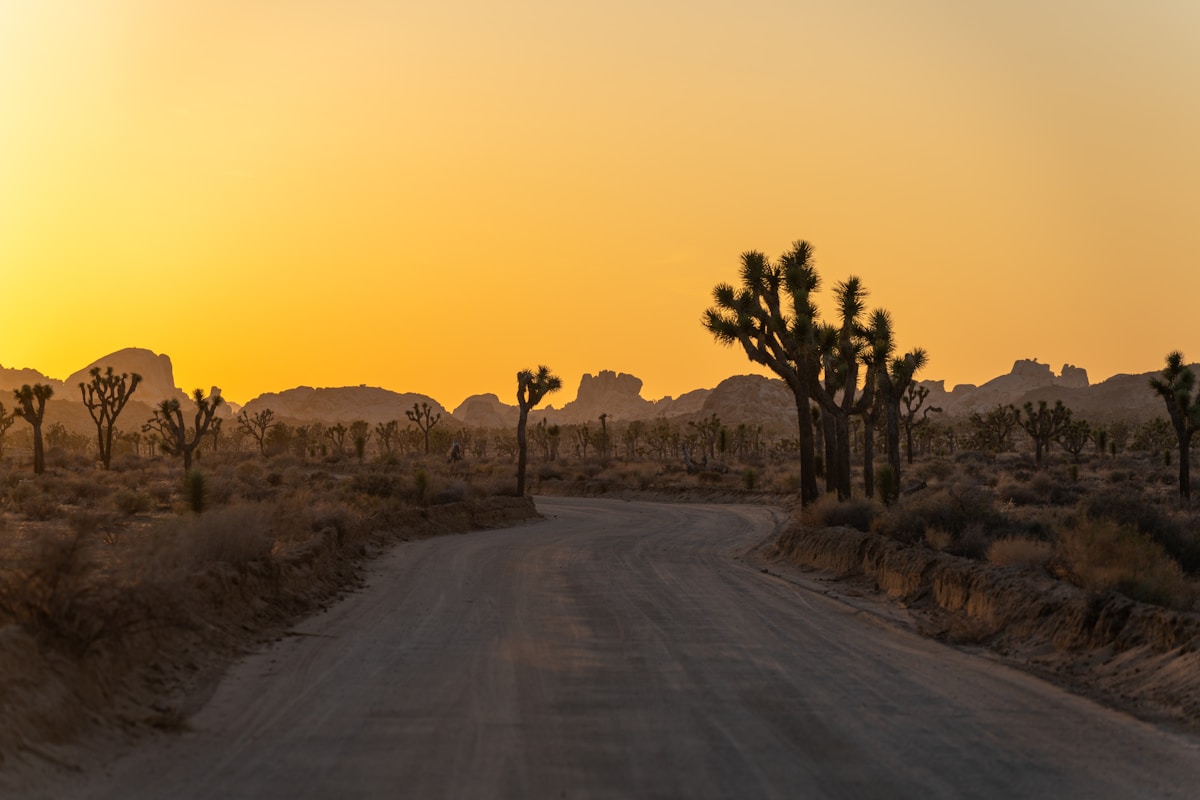
Joshua Tree sits at the convergence of two desert ecosystems - the Mojave and the Sonoran - which gives it a flora and geology unlike anywhere else in California. The iconic Joshua trees (a yucca, not a true tree) grow only in the higher, cooler Mojave section of the park.
Entry is approximately $35/vehicle for 7 days as of 2026. The main visitor center is in the town of Joshua Tree on the north side; a second center is at Cottonwood Spring on the south entrance near I-10 - most day-trippers from LA enter via the north.
Cholla Cactus Garden (no additional entry) is a dense grove of teddy bear cholla cactus off Pinto Basin Road - otherworldly at dawn or sunset when the spines catch the light. Keys View (free, no additional entry) at 5,185 feet overlooks the Coachella Valley, Salton Sea, and on clear days the Salton Trough into Mexico.
Rock climbing is the park’s signature activity - the Wonderland of Rocks area near Hidden Valley campground has thousands of established routes from beginner to advanced. The Skull Rock Nature Trail (1.7 miles) is a good introduction to the park’s geology for non-climbers. Joshua Tree has minimal shade - visit October through April; summer temperatures regularly exceed 105°F.
The nearest food options are in the town of Joshua Tree (29 Palms Hwy); Pie for the People is a reliable stop for pizza before or after the park.
San Diego - 2 hours south on I-5
San Diego is the only place on this list that could justify a weekend on its own, making it an ambitious day trip - but doable if you’re focused. The main areas worth targeting are Balboa Park, Old Town, and the Gaslamp Quarter, all of which cluster together on the north and east side of downtown.
Balboa Park is one of the country’s great urban parks - 1,200 acres with 17 museums, the San Diego Zoo, formal gardens, and the 1915 Spanish Colonial Revival architecture from the Panama-California Exposition. Park grounds are free; individual museum entries run approximately $10–$20 each as of 2026. The San Diego Museum of Art ($20) and the Museum of Man ($15) are the strongest stops. The San Diego Zoo (entry approximately $65 as of 2026) is world-class but requires a full day on its own.
Old Town San Diego State Historic Park (free) reconstructs the city as it existed in the Mexican period (1821–1872), with adobe buildings, a blacksmith, and a schoolhouse. It’s more substantive than most “living history” parks.
The Gaslamp Quarter is the most lively part of downtown for food and drink - Victorian commercial buildings from the 1880s converted into restaurants and bars. Puesto (tacos, approximately $15–$25) and Ironside Fish & Oyster (seafood, mains approximately $25–$40) are consistently good.
Palm Springs - 2 hours east on I-10
Palm Springs makes more sense as a day trip from LA in shoulder seasons - spring and fall are ideal, while summer temperatures above 110°F make outdoor activity genuinely hazardous. The city is known for its mid-century modern architecture, golf resorts, and the aerial tramway.
Search hotels in Los Angeles on Booking.com
The Palm Springs Aerial Tramway (approximately $30 round-trip as of 2026) climbs 8,516 feet to the top of San Jacinto Mountain in 10 minutes - the mountain station sits in pine forest with temperatures 30–40°F cooler than the desert floor. A network of hiking trails extends from the mountain station; the route to San Jacinto Peak summit (10,834 ft) is a strenuous 11-mile round-trip requiring a wilderness permit.
The Coachella Valley Preserve (free) protects a network of natural oases fed by the San Andreas Fault - the Thousand Palms Oasis trail (3 miles) walks through stands of California fan palms growing wherever groundwater emerges from fault fractures. The Moorten Botanical Garden (entry approximately $5 as of 2026) has one of the best private cactus collections in the country.
Palm Canyon Drive in downtown Palm Springs has mid-century architecture visible from the street - the Palm Springs Art Museum (entry approximately $15, free Thursdays 4–8pm) has a strong collection of Native American art and desert photography.
Big Bear Lake - 2 hours northeast via CA-18 or CA-38
Big Bear Lake sits at 6,752 feet in the San Bernardino Mountains - enough elevation to produce genuine mountain character, four seasons, and snow in winter without the distance of the Sierra Nevada. The lake is the focal point: 7 miles long and roughly 1 mile wide, with a developed village on the south shore and forest on the north.
Bear Mountain ski resort (now operated as Big Bear Mountain Resorts) runs ski and snowboard operations from approximately November through April, with lift tickets from approximately $70–$120 as of 2026 depending on timing. In summer, the resort operates a mountain biking park and scenic chairlift rides.
The Alpine Pedal Path follows the lake’s south shore for 3 miles on a paved, flat path - easy for families and good for cycling. Castle Rock Trail (3.5 miles round-trip from the Cougar Crest trailhead) climbs through Jeffrey pine forest to a granite overlook above the lake.
The town of Big Bear Lake has independent restaurants and cafes on Village Drive. BearBQ and Peppercorn Grille are local staples with mountain lodge interiors and reliable pricing (approximately $15–$25 for mains).
Catalina Island - 2 hours via Catalina Express ferry
Catalina Island, 22 miles offshore in the Pacific, has been mostly in the hands of the Wrigley family and the Catalina Island Conservancy since the 1920s - which is why 88% of the island is preserved wild land rather than development. The only real town is Avalon on the east end.
Catalina Express departs from San Pedro, Long Beach, and Dana Point; the crossing takes approximately 75 minutes and costs approximately $80 round-trip per adult as of 2026. Book in advance during summer - boats fill.
Avalon is walkable in 20 minutes end to end - a small harbor with the Moorish-style Casino Building (no gambling; it was a ballroom), a beach, and a compact commercial district. The Casino Building (entry approximately $20 for the tour) contains a theater with a painted dome ceiling and an art deco ballroom that still hosts events.
Snorkeling at Casino Point Dive Park (free entry, gear rental approximately $20–$30) is excellent - clear water, garibaldi fish (California’s state marine fish), and the occasional leopard shark. The Zip Line Eco Tour (approximately $120 as of 2026) runs through the island interior on five lines up to 600 feet long.
Catalina’s interior can be explored on guided tours (approximately $40–$65, book in advance) or by renting a golf cart in Avalon (approximately $60–$80/hour as of 2026 - required for exploring beyond the Avalon town limits without a permit).
Malibu and Point Mugu - 1 hour west on Pacific Coast Highway
Malibu stretches 27 miles along PCH from Malibu Creek to Point Mugu, combining surf beaches, sea caves, and a wine tasting scene that most visitors to LA never discover. It’s the most relaxed day trip on this list - no admission fees required for the beaches.
El Matador State Beach (parking approximately $10 as of 2026) is the most photographed beach in Malibu - sea stacks, tide pools, and sea caves that are accessible at low tide. It requires a steep descent from the parking lot. Arrive before 10am; the lot fills quickly.
Malibu Pier is free to walk and anchors the commercial area with a few restaurants. The Getty Villa (free entry, parking reservation required, approximately $20 as of 2026) houses the J. Paul Getty Museum’s collection of Greek, Roman, and Etruscan antiquities in a re-creation of a Roman country house - one of the strongest ancient art collections in the country and genuinely stunning architecture.
Malibu Wine Safari and several small tasting rooms in the Malibu wine region (Saddlerock Ranch area near Cornell) offer tastings approximately $30–$50 per person as of 2026 - a genuine wine region that most Angelenos overlook.
Point Mugu State Park (free for day use on foot) at the western end of Malibu has the Big Sycamore Canyon Trail (9 miles), which transitions from coastal sage scrub to chaparral to oak woodland.
Ojai - 1 hour 30 minutes northwest on US-101 then CA-33
Ojai (pronounced OH-hi) sits in a narrow east-west valley in the Topatopa Mountains, which creates what locals call the “Pink Moment” - the mountains turn pink for a few minutes after sunset when the light bounces off the Topatopa range. The town has been a retreat center and artists’ colony since the early 20th century.
The Ojai Farmers Market runs every Sunday morning on Libbey Park plaza (free) - one of the better small-city markets in Southern California. Bart’s Books at 302 W Matilija St is an outdoor used bookshop that has operated since 1964, with shelves spilling into a courtyard and books stored outside (on the honor system after closing hours) - an eccentric institution worth the short detour.
Meditation Mount (free, suggested donation) above the town center has gardens and a meeting hall with views down the Ojai Valley. The Krishnamurti Foundation operates a library and grounds nearby that are open to visitors - Jiddu Krishnamurti lived and lectured in Ojai for much of his life.
The Ojai Valley Trail (a paved bike path) runs 9.5 miles through the valley from Foster Park to the town center - bikes can be rented in town for approximately $15–$25/hour as of 2026.
Azu Restaurant (Mediterranean, mains approximately $18–$30) on Ojai Avenue is consistently recommended for lunch; The Farmer and the Cook is a good organic market and cafe for a lighter meal (approximately $10–$18).