Honolulu’s activity range runs from war history to some of the world’s best surfing, with volcanic hikes, rainforest waterfalls, reef snorkeling, and two of the USA’s most visited historic sites in between. The city itself is the compact base; the rest of Oahu unfolds outward in every direction. This guide covers the highlights with entry fees and logistics current as of 2026.
Diamond Head
3300 Diamond Head Rd. The 760-foot tuff cone rising at the eastern end of Waikiki is the most recognizable landmark in Hawaii. The 1.6-mile round-trip trail (560-foot elevation gain) ends at the crater rim with views south over Waikiki and east along the coast toward Koko Head. Entry approximately $5 per person on foot, $10 per car. Timed entry reservations required - book at gostateparks.hawaii.gov up to two weeks in advance. The 6am opening fills first; weekday mid-morning slots are easier to book than weekends. Allow 90 minutes round trip. Bring water and wear shoes with grip - the final stretch involves a tunnel and metal stairways.
Pearl Harbor Historic Sites
1 Arizona Memorial Place, Aiea (10 miles west of Waikiki, approximately 25 minutes by car or 45 minutes on TheBus Route 42). The December 7, 1941 attack on Pearl Harbor is the central historical event in Oahu’s identity. The visitor complex covers four major sites:
Pearl Harbor Visitor Center - Free entry. The core exhibits on the attack, timeline, and consequences are housed here before the memorial boat tour departs.
USS Arizona Memorial - Free, but timed boat tour tickets are required and frequently sell out weeks in advance. Book via recreation.gov. The white concrete memorial spans the sunken hull of the Arizona, which still leaks approximately a quart of fuel oil per day - visibly, in rainbow-colored slicks around the structure.
Battleship Missouri Memorial - The ship where Japan signed the formal surrender on September 2, 1945, docked a short walk from the visitor center. Entry approximately $29 for adults, $14 for children (ages 4–12). Self-guided audio tour with clear marking of the surrender deck and the bronze plaque marking the exact spot.
Pacific Aviation Museum Pearl Harbor - On Ford Island, accessible via the Missouri shuttle. Entry approximately $25 for adults, $15 for children. World War II aircraft and a strong exhibit on the Doolittle Raid.
USS Bowfin Submarine Museum - A World War II-era submarine open for self-guided tours. Entry approximately $17 for adults, $8 for children. Claustrophobic but impressive for understanding the realities of submarine service.
A combo ticket covering all four sites is approximately $65 for adults as of 2026. Allow a full day for the complete Pearl Harbor experience. Read our Complete Pearl Harbor Visitor Guide for detailed planning tips, bag restrictions, and the full-day itinerary.
Beaches
Waikiki Beach - The main strip runs for two miles along the southern shore of Honolulu. The area in front of the Outrigger Waikiki hotel and the Duke Kahanamoku statue has the best conditions for beginner surfing. Further east toward Diamond Head (the Kapiolani Park end), the beach is less crowded. Water temperature year-round approximately 75–80°F. Lifeguards on duty 9am–5:30pm. No entry fee.
Search hotels in Honolulu on Booking.com
Kailua Beach - East Oahu, 35 minutes by car from Waikiki. Consistently rated one of the top beaches in the USA. The beach is 2.5 miles long, the sand is fine, and the water is calm and turquoise. Free public access. No hotels; parking on Kawailoa Road, approximately $1–2/hour.
Lanikai Beach - Adjacent to Kailua. Narrower and less developed than Kailua, with views of the Mokulua islands offshore. Access via narrow beach paths from Mokulua Drive. No parking directly at the beach - park in Kailua and walk.
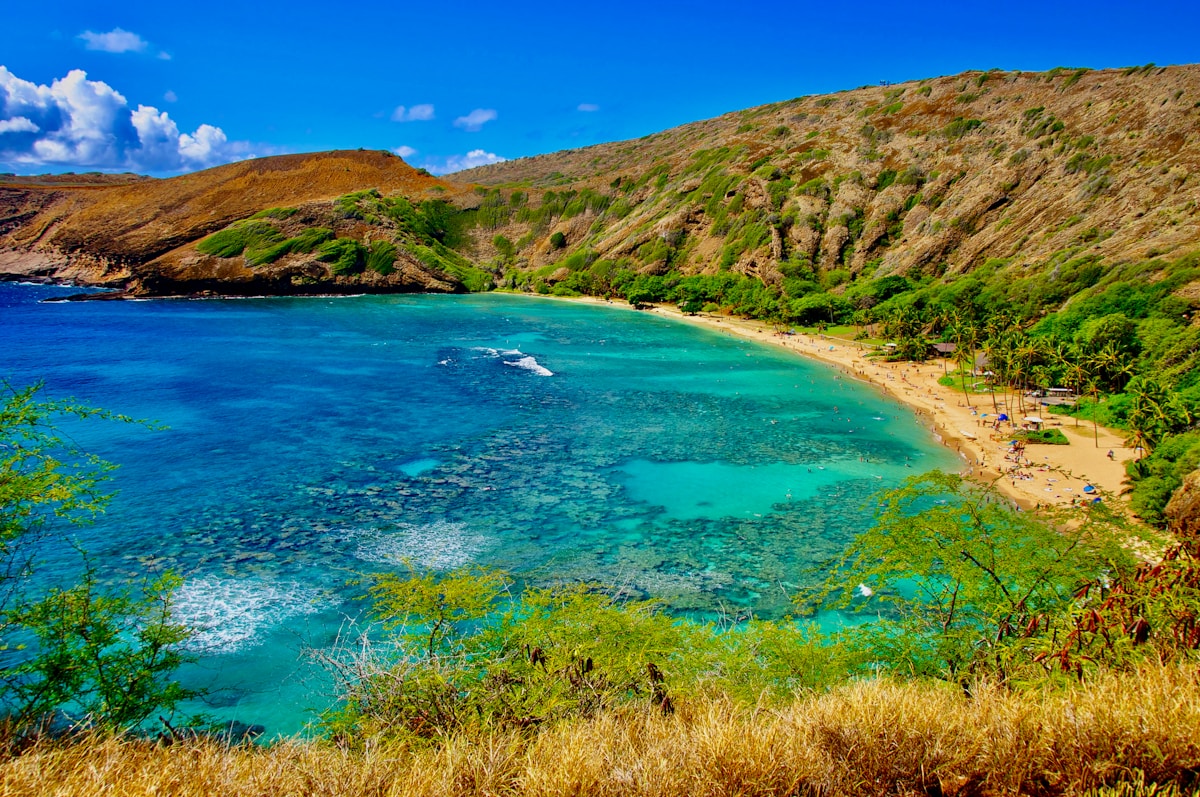
Hanauma Bay - Kokohead, 10 miles east of Waikiki. A protected marine life conservation district and the best accessible snorkeling on the island, with coral reef, green sea turtles, and hundreds of fish species. Entry approximately $25 per person as of 2026; reservations required online (hanauma bay.hawaii.gov). Closed Mondays and Tuesdays. The bay holds an education briefing requirement before entering the water - allow extra time.
Sunset Beach - North Shore, 40 miles from Waikiki. A premier surfing beach in winter (November–February) with waves reaching 20–30 feet on large swells. Calm and swimmable in summer (May–September). Free. The Vans Triple Crown of Surfing contests are held here in December.
North Shore
The 7-mile stretch from Haleiwa to Kahuku on the North Shore is the most famous surfing coastline in the world, with Waimea Bay, Banzai Pipeline (Ehukai Beach), and Sunset Beach all within a short drive of each other.
Waimea Bay Beach Park - Free. One of the most famous surf sites in the world, with wave faces reaching 25–40 feet on large winter swells. In summer it becomes a calm swimming bay. The cliff jump into the bay from the large rock on the west end of the beach is a local tradition.
Banzai Pipeline (Ehukai Beach Park) - Free. The most photographed surfing wave in the world, breaking on a shallow reef 200 yards offshore. In winter, professional competitions including the Pipeline Masters take place here; spectating from the beach is free.
Matsumoto Shave Ice - 66-111 Kamehameha Hwy, Haleiwa. A North Shore institution since 1951. Shave ice in dozens of flavors, with azuki beans and mochi ball upgrades. Cones approximately $3–5. Expect queues of 20–40 minutes on weekends; worth the wait if you’re already on the North Shore.
Giovanni’s Shrimp Truck - Haleiwa north end parking area. The original garlic shrimp truck that spawned a dozen imitators across the island. Garlic shrimp plate (12 shrimp with rice and salad) approximately $15–17. No seating - eat at the picnic tables.
For the full rundown on surf spots, shrimp trucks, and the Haleiwa food scene, see our North Shore guide.
Hiking
Manoa Falls - 3860 Manoa Rd, Honolulu. A 1.6-mile round-trip trail through a lush rainforest valley to a 150-foot waterfall. Entry approximately $5 as of 2026 (recently introduced day-use fee). Open daily 6am–6pm. Muddy year-round - wear trail shoes or sandals you don’t mind getting dirty. The valley receives some of the highest rainfall in Oahu, which keeps the vegetation dramatically green. No swimming in the pool below the falls (flash flood and leptospirosis risk).
Makapu’u Lighthouse Trail - End of Kalaniana’ole Hwy near Makapu’u Beach, east Oahu. A 2-mile paved path along the island’s southeastern tip, with views of the Molokai Channel. From January through March, this is one of the best spots to watch humpback whales breaching offshore without a boat. Free. Open daily 7am–7:45pm.
Koko Crater Trail - End of Kokonani St, Hawaii Kai. The most demanding urban hike on Oahu - 1.8 miles round trip up a retired railway track climbing 1,000 vertical feet on wooden railroad ties. Views from the rim extend across southeast Oahu and on clear days to neighboring islands. Free. Go early in the morning; the exposed metal tracks heat up significantly after 9am.
Pillboxes Trail (Kaiwa Ridge) - Behind Mid-Pacific Country Club, Kailua. A short but steep 1.8-mile round trip to WWII-era military observation posts on the ridge above Lanikai Beach. Sunrise from the pillboxes is one of the best views in Hawaii - turquoise water, the Mokulua islands, and the curve of Kailua Bay. Free. Trailhead from end of Kaelepulu Drive.
Ka’au Crater Trail - Palolo Valley, Honolulu. A challenging 5-mile loop with three waterfalls, a scramble through a volcanic crater, and sections that require rope-assisted descents. Not suitable for inexperienced hikers. Free but no permit system. Go in a group; conditions change rapidly.
Cultural and Historical Sites
Iolani Palace - 364 S. King St, downtown Honolulu. The only royal palace on US soil, built in 1882 for the Hawaiian monarchy. Queen Liliuokalani was imprisoned here following the 1893 US-backed overthrow of the Hawaiian Kingdom. Self-guided audio tours approximately $26 for adults, $8 for children (ages 5–12). Open Tuesday–Saturday 9am–4pm; Sunday noon–4pm. Reservations recommended.
Bishop Museum - 1525 Bernice St, Kalihi. The premier museum of Hawaiian and Pacific history and culture, with one of the largest collections of Hawaiian artifacts in the world. Entry approximately $30 for adults, $20 for children (ages 4–12) as of 2026. Open daily 9am–5pm. Allow three to four hours for the full collection.
Kawaiahao Church - 957 Punchbowl St, downtown. Hawaii’s oldest church (1842), built from 14,000 coral slabs cut from offshore reefs. Sunday services are held in Hawaiian. Free to enter. Burial grounds contain memorials to Hawaiian royalty.
National Memorial Cemetery of the Pacific (Punchbowl) - 2177 Puowaina Drive. A National Cemetery in the bowl of an extinct volcanic crater, with more than 53,000 military burials including victims of the Pearl Harbor attack and Korean War casualties. Free entry. Open daily 8am–5:30pm (until 6:30pm in summer). One of the most sobering sites in Honolulu.
Surfing Lessons
Beginner surfing lessons are available from multiple licensed concessions on Waikiki Beach. Group lessons typically run two hours and include board and rash guard rental. Group lesson approximately $45–60 per person; private lesson approximately $120–150 as of 2026. Hans Hedemann Surf School and Hawaiian Fire Surf School are among the most consistently reviewed operations.
Guided Tours Worth Booking in Advance
| Tour | Duration | From | Book |
|---|---|---|---|
| Pearl Harbor USS Arizona Memorial Guided Tour | 4 hrs | $51 | Book |
| Diamond Head Hike with Round-Trip Transport | 3 hrs | $63 | Book |
| Waikiki Group Surfing Lesson | 2 hrs | $45 | Book |
| Oahu Circle Island Small-Group Day Tour | 9 hrs | $89 | Book |
| Hanauma Bay Snorkel & Diamond Head Combo Tour | 5 hrs | $95 | Book |
Browse all Honolulu tours on GetYourGuide - free cancellation on most bookings up to 24 hours before departure.