Flagstaff: Grand Canyon Gateway, Lowell Observatory
Flagstaff Arizona travel guide: Grand Canyon access, Lowell Observatory, Arizona Snowbowl, Walnut Canyon, Sedona, and Route 66 downtown.
Guides for Flagstaff
Flagstaff is the obvious hub for Northern Arizona. At 6,900 feet on the Colorado Plateau, it’s a genuine four-season mountain city - pine forests, real snow in winter, and summer highs in the mid-80s°F - while sitting 80 miles from the Grand Canyon South Rim and 28 miles from Sedona. The downtown area along historic Route 66 has enough craft breweries, independent restaurants, and walkable character to anchor evenings after a day at the canyon.
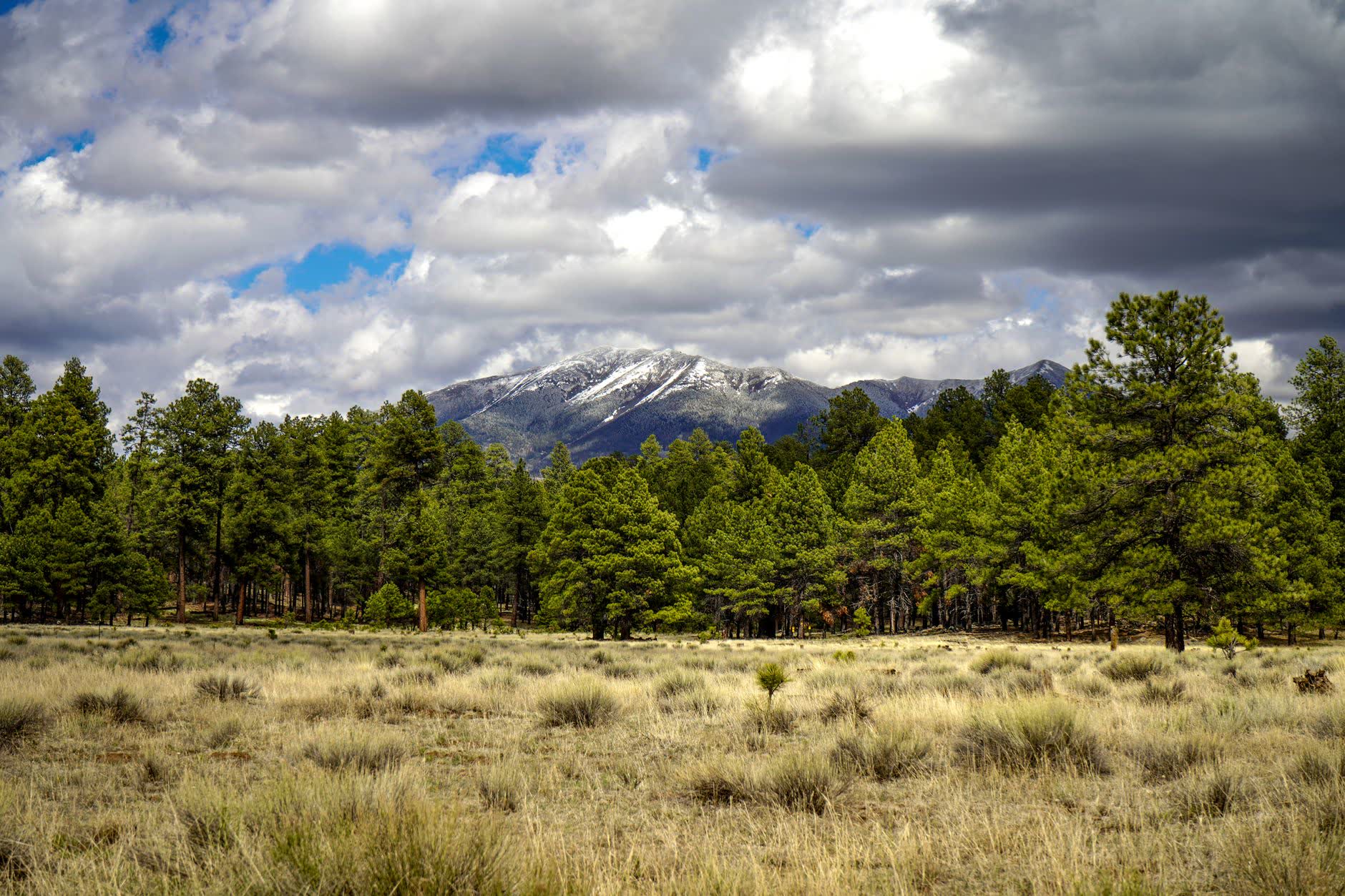
Lowell Observatory (where Pluto was discovered in 1930) is one of the better science attractions in the Southwest. The San Francisco Peaks - the highest mountains in Arizona - rise directly north of the city with skiing at Arizona Snowbowl and hiking to Humphreys Peak (12,633 feet, the state’s highest point). Walnut Canyon and Wupatki national monuments add Ancestral Puebloan archaeology within 30 miles.
Getting to Flagstaff
By air: Flagstaff Pulliam Airport (FLG) has limited connections from Phoenix (30-minute flight, though Phoenix is also only 2.5 hours by car). Phoenix Sky Harbor (PHX, 145 miles south via I-17) is the practical primary airport for most visitors - extensive national and international connections. Shuttles and car rentals from PHX to Flagstaff are readily available.
By train: Amtrak’s Southwest Chief (Chicago–Los Angeles) stops daily at Flagstaff Station (1 E Route 66) - a genuine Amtrak stop in the heart of downtown. Travel time from Los Angeles approximately 10 hours; from Albuquerque approximately 4.5 hours.
By car: Phoenix is 145 miles south via I-17, approximately 2.5 hours. Grand Canyon South Rim is 80 miles north via US-180 and AZ-64, approximately 90 minutes. Sedona is 28 miles south via US-89A, approximately 45 minutes. Las Vegas is 280 miles northwest via I-40 and US-93, approximately 4 hours.
Within Flagstaff: The Mountain Line bus system covers the city. Downtown Flagstaff is compact and walkable - most downtown restaurants, Lowell Observatory, and the Amtrak station are within 1–2 miles of each other.
Neighborhoods
Downtown/Route 66: The historic commercial core along Santa Fe Avenue (the old Route 66 alignment), Leroux Street, and San Francisco Street - the Amtrak station, the main brewery cluster, independent restaurants, and the Heritage Square plaza. Compact and walkable.
South Flagstaff: The Arizona Lumber and Timber area south of downtown and near the NAU campus (Northern Arizona University, approximately 20,000 students) - the university adds a student-driven restaurant and bar scene along South Milton Road.
East Flagstaff: The Townsend-Winona area along I-40 - primarily chain hotels and commercial strips; less interesting but most budget accommodations are here.
Coconino National Forest: Flagstaff is essentially surrounded by the forest - the San Francisco Peaks begin immediately north of the city limits, and ponderosa pine forest extends in multiple directions.
Things to Do
The Grand Canyon South Rim is the headline - 80 miles north, accessible as a day trip or the beginning of a longer canyon visit. Lowell Observatory (evening telescope programs most nights, advance booking strongly recommended) is the city’s strongest unique attraction. Arizona Snowbowl (14 miles north) offers winter skiing and summer chairlift rides with Grand Canyon views on clear days.
Walnut Canyon National Monument (3 miles east) preserves 25 Sinagua cliff dwellings from the 1100s in a walkable canyon trail. Sedona and the Oak Creek Canyon drive (28 miles south) add red-rock scenery in half a day. The downtown Route 66 area is walkable and has the highest concentration of craft breweries in Northern Arizona.
Full guide: Things to do in Flagstaff
Where to Stay
Downtown: The Hotel Weatherford (23 N Leroux St) is a historic 1900 property in the heart of downtown - atmospheric, affordable, and well-positioned; approximately $120–$200/night. The Drury Inn & Suites (300 S Milton Rd) is a reliable mid-range option near the NAU campus at approximately $140–$220/night.
Near the train station: Little America Hotel (2515 E Butler Ave) is a full-service property with spacious grounds and forest setting - approximately $160–$280/night; popular with families and tour groups.
Budget: East Flagstaff along I-40 has the budget chain cluster - Motel 6, Super 8, and Quality Inn - at approximately $70–$120/night. Less convenient for downtown but accessible by Mountain Line bus.
Search all hotels in Flagstaff
Practical Information
Grand Canyon timed entry: Required May–October for the South Rim corridor. Book at recreation.gov well in advance. The east entrance via Desert View does not require a timed entry permit.
Altitude: 6,910 feet - allow a day of acclimatization before strenuous hiking, especially if arriving from sea level. The Humphreys Peak trail gains 3,000 feet from an already-high starting point.
Weather: Flagstaff’s monsoon season (July–August) brings afternoon thunderstorms almost daily. Plan canyon hikes for morning departures. The Lowell Observatory evening programs are occasionally cancelled for cloud cover - the booking site notes cancellation policies.
Winter: Snow is frequent November through March. I-17 south to Phoenix and US-180 to the Grand Canyon can require chains or 4WD; check ADOT conditions at az511.gov before driving.
Book an experience
Top experiences in Flagstaff
Explore the best tours and activities in Flagstaff , with instant confirmation and free cancellation on most bookings.
Where to stay: Browse hotels in Flagstaff on Booking.com; filter by dates, budget, and guest rating.