Asheville’s activity landscape divides into four distinct categories: the Biltmore Estate and its associated programming, the Blue Ridge Parkway and surrounding mountain recreation, the arts and culture scene concentrated in the River Arts District and downtown, and the craft brewery corridor in South Slope and beyond.
Biltmore Estate
Biltmore Estate (1 Lodge St) is the single most visited attraction in western North Carolina. George Vanderbilt’s 250-room French Renaissance chateau, completed in 1895, is the largest privately owned house in the United States. The self-guided iPad tour covers the house’s principal rooms - the Banquet Hall (70 feet high, with seven fireplaces), the Library (with a fireplace arch by sculptor Karl Bitter), the indoor swimming pool and gymnasium in the basement, and the formal gardens designed by Frederick Law Olmsted. A working winery on the property offers tastings included with certain admission tiers. Admission approximately $70-$85 adults for the basic house tour as of 2026; premium packages run higher. Spring bloom (April) and the Candlelight Christmas season (late November-December) are the most heavily booked periods - purchase online weeks ahead for those dates.
Search hotels in Asheville on Booking.com
Blue Ridge Parkway
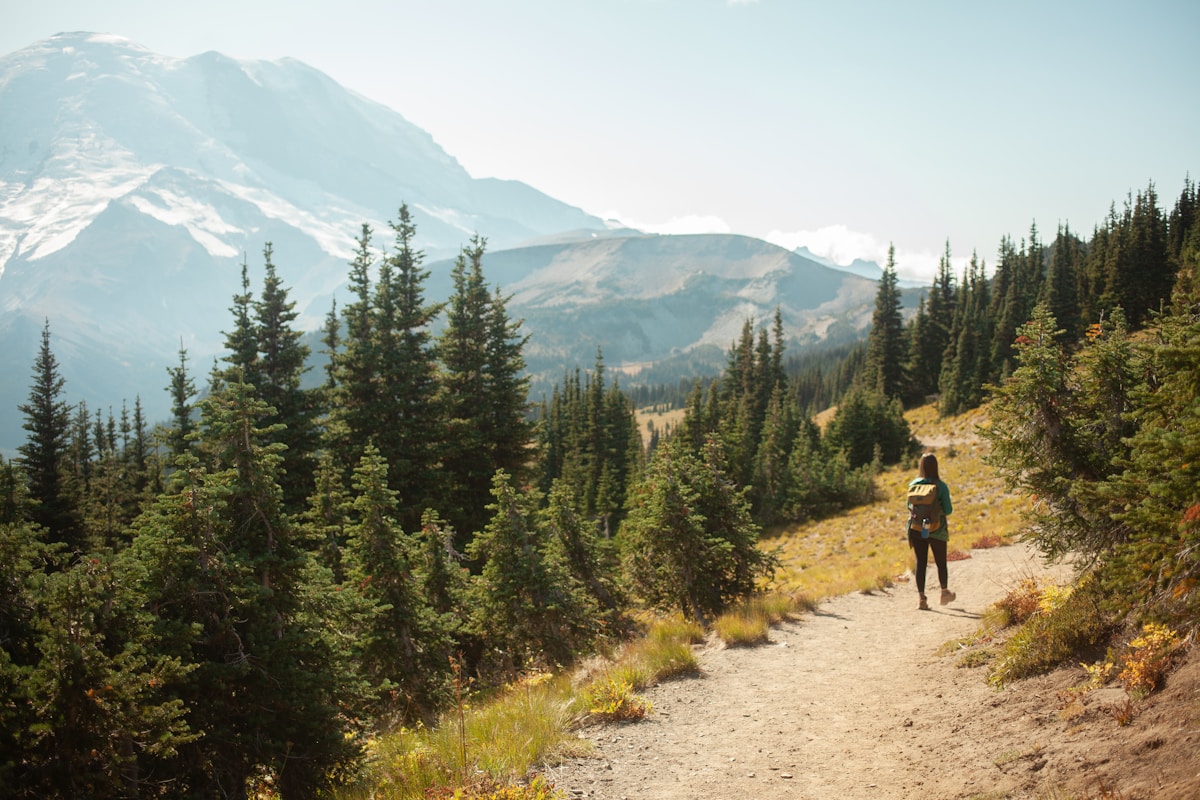
The Blue Ridge Parkway runs directly through the Asheville area. Craggy Gardens (mile marker 364, 18 miles north of Asheville) offers some of the most striking views accessible to day visitors - the rhododendron bloom at Craggy Gardens in mid-June is one of the most dramatic floral events in the Eastern mountains. No entry fee; parking at pulloffs and overlooks.
Folk Art Center (mile marker 382, adjacent to the Parkway at the US-70 interchange) hosts the Southern Highland Craft Guild’s permanent gallery and retail shop - the best introduction to the regional craft tradition in woodworking, pottery, and weaving. Free admission.
River Arts District
The River Arts District (along Riverside Dr on the French Broad River, west of downtown) contains approximately 200 working artist studios in converted mill and warehouse buildings. Studios are generally open weekday business hours; the Second Saturday of each month is a designated open studio day with higher participation. Wedge Studios (37 Paynes Way) and Phil Mechanic Studios (109 Roberts St) have the largest studio concentrations. New Belgium Brewing’s Asheville taproom (21 Craven St) and Wedge Brewing (37 Paynes Way) are in the district - making an afternoon of studio visits followed by brewery stops a natural pairing.
Brewery District
South Slope (south of downtown, along Coxe Avenue and adjacent streets) is the brewery concentration. Burial Beer (40 Collier Ave) is the most critically regarded, with seasonal small-batch releases and a dark, atmospheric taproom. Hi-Wire Brewing (2 Huntsman Pl) is the most visitor-friendly, with a large taproom and wide range of styles. Wicked Weed Brewing (91 Biltmore Ave, downtown) is the largest, with multiple taprooms and a full kitchen. Total brewery count in Asheville exceeds 40 - the highest density per capita in the United States.
Outdoor Activities
Black Balsam Knob and the Shining Rock Wilderness (approximately 40 miles southwest via the Blue Ridge Parkway - hire a car to reach the trailheads) provide some of the most accessible above-treeline hiking in the eastern United States. The Art Loeb Trail and the short summit loop to Black Balsam are the most practical day hike options. Free access; no facilities.
Chimney Rock State Park (approximately 25 miles southeast; entry approximately $17 adults) offers a distinctive geological formation with a 75-foot waterfall and panoramic views accessible via a combination of trails and an elevator.
Zip-lining and whitewater: The French Broad River below Asheville has Class II-III whitewater suitable for guided raft trips (approximately $40-$60 per person). Multiple zip-line operations in the surrounding mountains run approximately $80-$150 per person.
Arts and Culture
Pack Square Park is the downtown hub: the Vance Monument, the Thomas Wolfe Memorial (52 N Market St - the childhood home of the novelist; admission approximately $5), and the Asheville Community Theatre occupy the immediate area.
The Orange Peel (101 Biltmore Ave) is Asheville’s primary mid-size concert venue - regularly listed among the best in the country for indie and alternative acts. Check orangepeel.net for the current schedule.
Practical Planning
Biltmore and Craggy Gardens require planning in peak season. Parking at the Biltmore Estate is managed and plentiful. Blue Ridge Parkway pulloffs fill quickly on October foliage weekends (peak around October 10-20 most years). Brewery district exploration requires no planning - simply arrive in the afternoon and walk between establishments. Most River Arts District studios are open Tuesday-Saturday during daylight hours.
Guided Tours Worth Booking in Advance
| Tour | Duration | From | Book |
|---|---|---|---|
| Blue Ridge Mountains Scenic Waterfall Hiking Tour | 5.5 hrs | $105 | Book |
| Blue Ridge Parkway and Waterfall Jeep Tour | 4 hrs | $119 | Book |
| Craft Brewery Walking Tour with Tastings | 3 hrs | $74 | Book |
| French Broad River Kayak Tour with Brewery Stops | 4 hrs | $91 | Book |
| Personalized Private Downtown Walking Tour | 2 hrs | $35 | Book |
Browse all Asheville tours on GetYourGuide - free cancellation on most bookings up to 24 hours before departure.